


In high-temperature engineering, choosing the "strongest" alloy isn't always the "wisest" business decision. Poor budget management is a major pain point for purchasing managers and system designers:
Budget Overrun Trap: Specifying high-end GH3030 (equivalent to Nimonic 75) for high-strength bolt applications where temperatures never exceed 600°C. You're essentially paying for "nickel surcharges" for performance not used in the project.
Safety Hazards: Using the more affordable GH2132 (equivalent to alloy A286) in combustion chamber linings exposed to 800°C. GH2132 has a metallurgical limit of 650°C, which can lead to rapid oxidation, sagging, and ultimately system failure.
At Gnee Alloy, we're dedicated to helping you achieve industrial-grade durability while remaining cost-effective.
Click to get a GH3030 product quote
Selection of Nickel-Based and Iron-Based Pipes for GH3030 and GH2132 in High-Temperature Environments
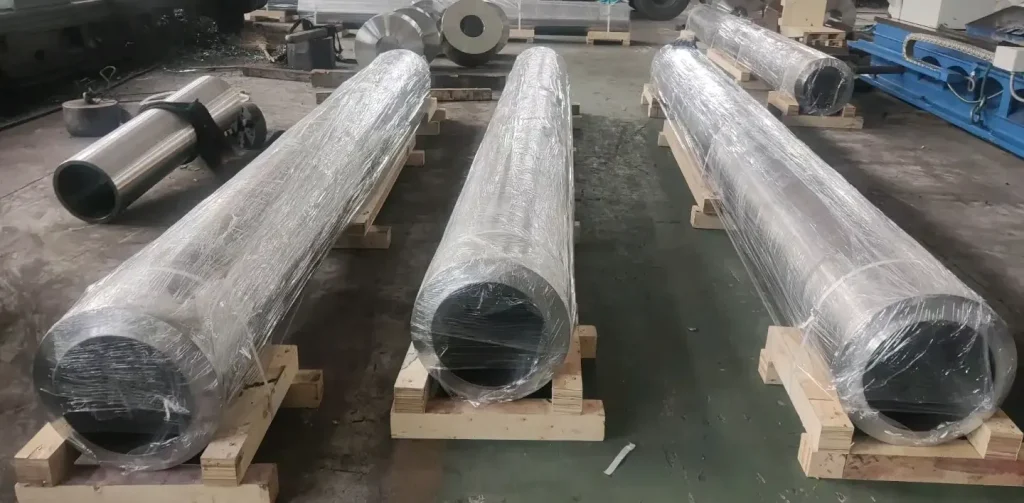
Selection of Nickel-Based and Iron-Based Pipes for GH3030 and GH2132 in High-Temperature Environments
The choice between GH3030 (nickel-based) and GH2132 (iron-based) piping depends primarily on your operating temperature and stress requirements. GH3030 performs exceptionally well in highly oxidizing, low-stress environments up to 800°C, while GH2132 is optimized for high-stress, load-bearing applications up to 650°C.
What are the components of GH3030?
GH3030 is a solid solution strengthened high-temperature alloy, mainly composed of nickel (Ni) and chromium (Cr), with a simple chemical composition. Its typical ratio is 80% nickel and 20% chromium.
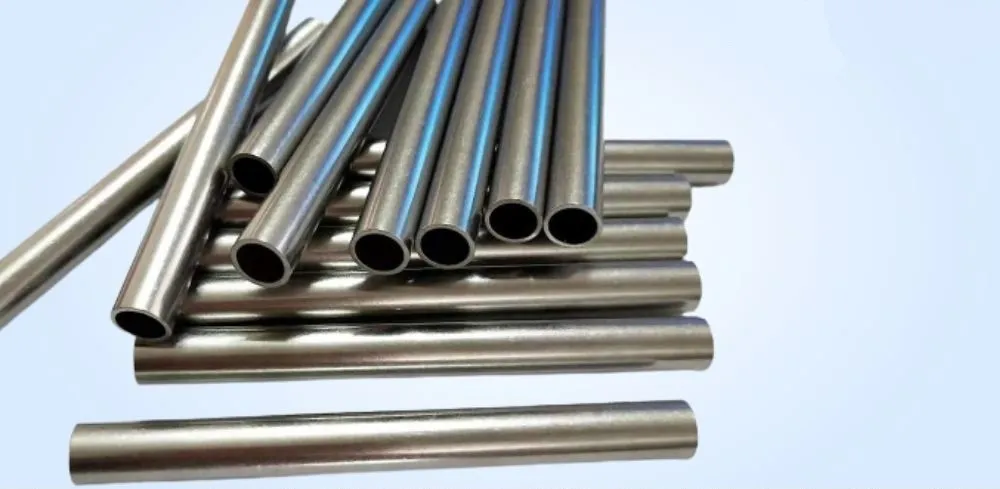
1. GH3030 and GH2132 Material Overview
| Parameter | GH3030 | GH2132 |
|---|---|---|
| Material Type | Wrought Nickel-based Superalloy | Wrought Iron-based Superalloy |
| International Equivalent | – | A-286 |
| Strengthening Mechanism | Solid-solution strengthening (Cr + trace Ti) | Precipitation hardening (γ′) |
| Product Forms | Bar, plate, tube, strip, wire | Bar, plate, wire, forging |
| Typical Applications | Combustion chambers, furnace components, high-temperature tubing | High-temperature fasteners, turbine casings, jet engine components |
| Maximum Service Temperature (Load-Bearing) | ~800°C | ~650 – 700°C |
2. Comparison of chemical composition of GH3030 and GH2132 (wt%)
| Element | GH3030 | GH2132 | Key Difference |
|---|---|---|---|
| Nickel (Ni) | Balance (≥ 75.0) | 24.0 – 27.0 | GH3030 has 3x higher Ni |
| Chromium (Cr) | 19.0 – 22.0 | 13.5 – 16.0 | GH3030 has higher Cr |
| Iron (Fe) | ≤ 1.5 | Balance (~52-55) | GH2132 has much higher Fe |
| Molybdenum (Mo) | – | 1.00 – 1.50 | GH2132 contains Mo |
| Titanium (Ti) | 0.15 – 0.35 | 1.90 – 2.35 | GH2132 has higher Ti |
| Aluminum (Al) | ≤ 0.15 | 0.10 – 0.50 | GH2132 contains Al |
| Vanadium (V) | – | 0.10 – 0.50 | GH2132 contains V |
| Boron (B) | – | 0.003 – 0.010 | GH2132 contains B |
| Carbon (C) | ≤ 0.12 | ≤ 0.08 | GH3030 slightly higher C |
| Manganese (Mn) | ≤ 0.70 | 1.00 – 2.00 | GH2132 higher Mn |
| Silicon (Si) | ≤ 0.80 | 0.35 – 1.00 | Similar |
| Phosphorus (P) | ≤ 0.030 | ≤ 0.025 | – |
| Sulfur (S) | ≤ 0.020 | ≤ 0.025 | – |
3. Comparison of room temperature mechanical properties of GH3030 and GH2132
| Property | GH3030 (Annealed) | GH2132 (Aged) | Advantage |
|---|---|---|---|
| Tensile Strength, Ultimate (MPa) | ≥ 685 (99 ksi) | ≥ 900 (130 ksi) | GH2132 (~30% higher) |
| Tensile Strength, Yield (MPa) | ≥ 295 (43 ksi) | ≥ 590 (85 ksi) | GH2132 (~100% higher) |
| Elongation (%) | ≥ 30 | ≥ 15 | GH3030 |
| Reduction of Area (%) | ≥ 50 | ≥ 18 | GH3030 |
| Hardness | ≤ 200 HBW (~80-85 HRB) | 24 – 35 HRC | GH2132 harder |
| Modulus of Elasticity (GPa) | ~210 | ~200 | Similar |
| Density (g/cm³) | 8.4 | 7.93 | GH2132 lighter |
Click to download the GH3030 alloy PDF file now
4. Technical Comparison of GH3030 Nickel-Based Alloy and GH2132 Iron-Based Alloy:
| Feature | GH2132 (Alloy A286) | GH3030 (Nimonic 75) | Commercial Impact |
| Material Base | Iron-Nickel (Lower Cost) | Nickel-Base (Premium) | GH3030 matrix is more stable. |
| Nickel (Ni) Content | ~ 25% | **~ 75%** | GH2132 is 35-50% Cheaper. |
| Strengthening | Precipitation Hardening | Solid Solution | GH2132 is "Stiffer" at <600°C. |
| Max Service Temp | 650°C (1200°F) | 800°C - 900°C | GH3030 for direct flames. |
| Oxidation Stability | Moderate | Superior (Non-scaling) | GH3030 protects sensors. |
| Fabrication Ease | Excellent Machinability | Superior Weldability | GH3030 is the "Weld King." |
Comparison of GH3030 and GH2132 features and applications
GH3030 (Nickel-based Superalloy)
GH3030 is a solid solution-strengthened alloy of 80% Ni and 20% Cr.
Maximum operating temperature: Up to 800°C for load-bearing components, and up to 1100°C for low-stress, purely oxidation-resistant applications.
Key advantages: Excellent oxidation resistance, superior thermal fatigue performance, and excellent weldability/cold stamping plasticity.
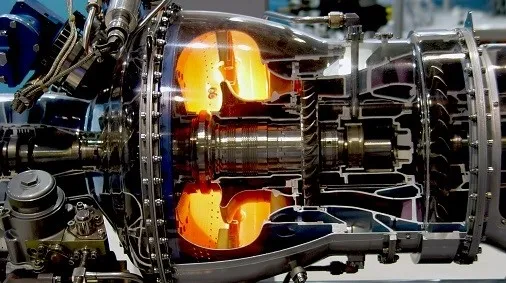
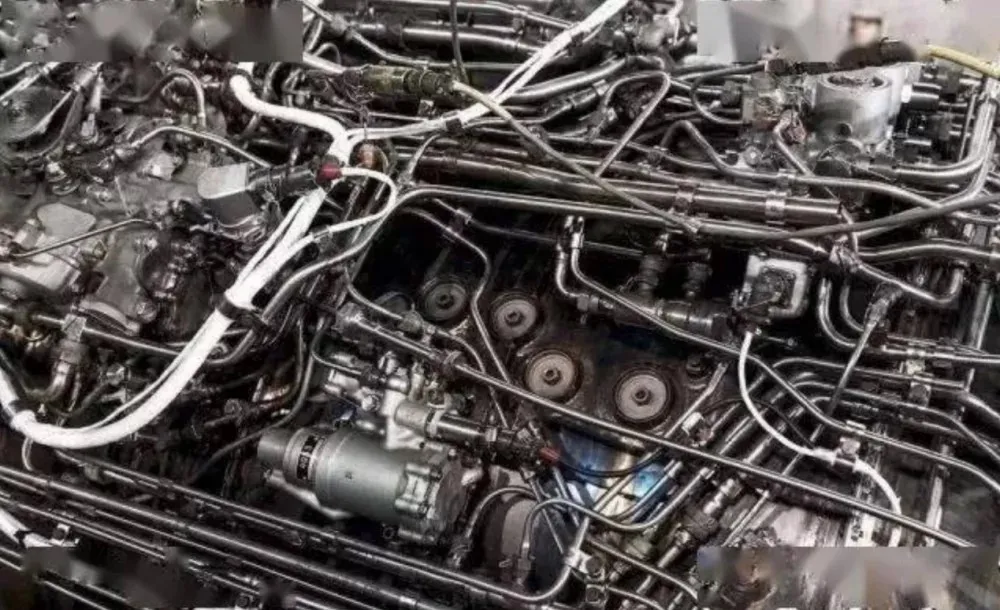
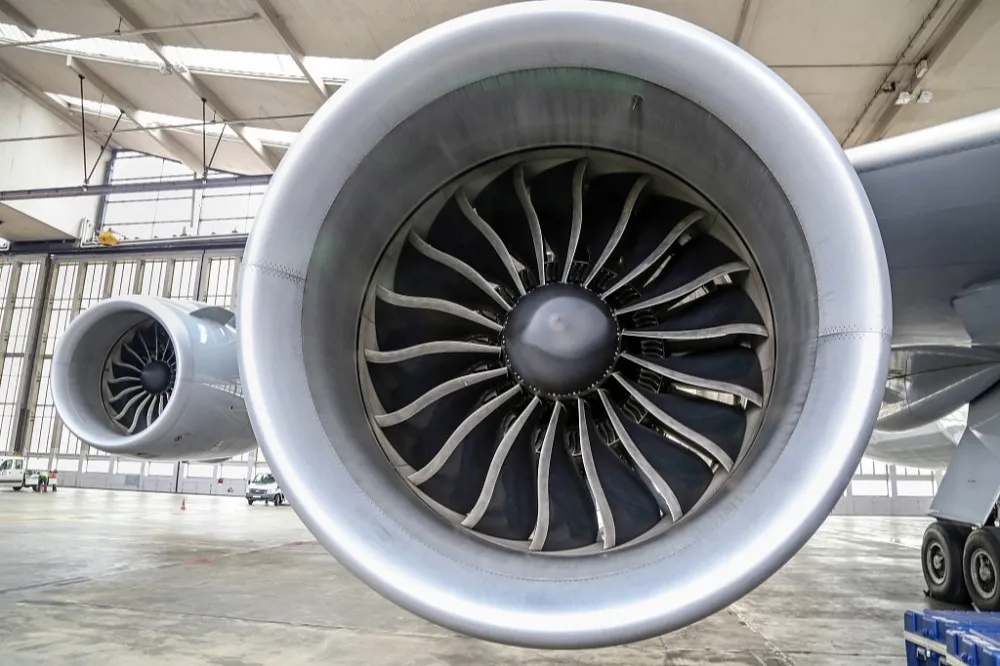
Typical piping applications: Turbine engine combustion chamber components, aerospace heating piping, and high-temperature chemical equipment.
GH2132 (Iron-based Superalloy)
GH2132 (also commonly known as A-286 or UNS S66286) is an age-hardening superalloy of Fe-25Ni-15Cr.
Maximum operating temperature: Up to 650°C.
Key advantages: High yield strength, excellent long-term creep rupture strength, and superior fatigue resistance at high temperatures.
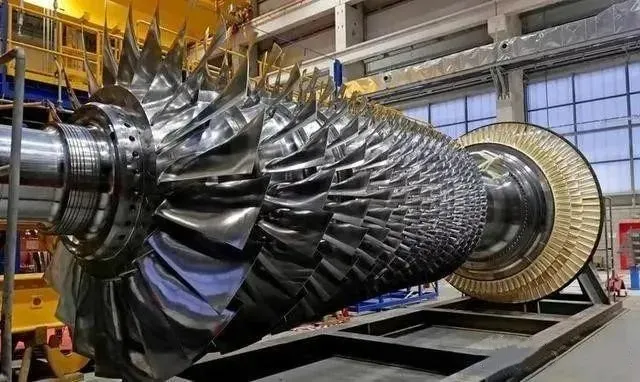
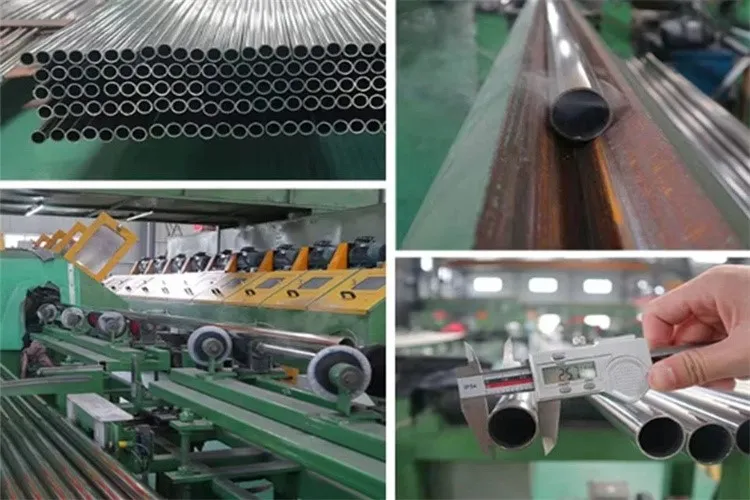
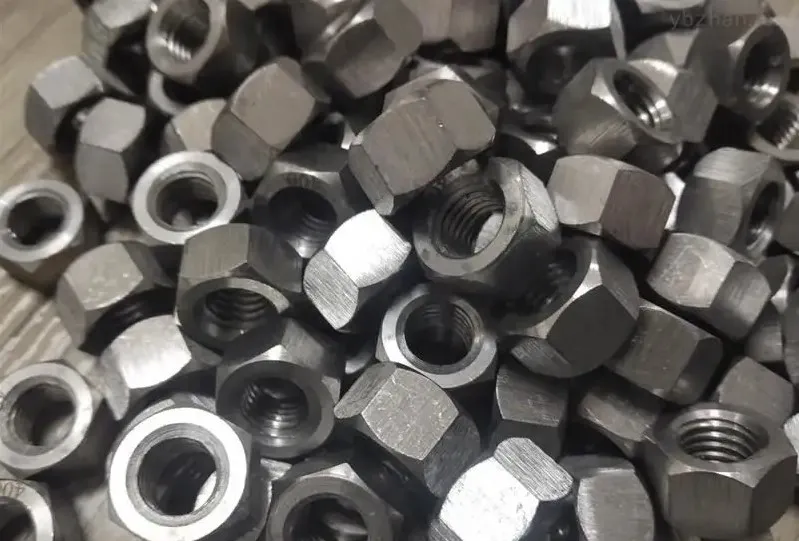
Typical piping applications: high-temperature rotating components and structural parts subjected to extreme mechanical loads, such as gas turbine casings, rotor blades, and critical high-pressure fasteners.
7. Strategic Application Guidelines for GH3030 and GH2132 Tubes
Order GH2132 (A286) Pipes & Rods if: Your application involves high-strength fasteners, exhaust manifolds, turbine bolts, or structural tubing operating strictly below 650°C. It offers the highest yield strength for your dollar in non-rotating energy sectors.
Upgrade to GH3030 (Nimonic 75) Pipes & Sheets if: You are building combustion chamber liners, furnace baffles, radiant tubes, or aerospace thermal shields exposed to 800°C - 900°C. GH3030 provides the Structural Integrity and non-scaling surface that iron-based alloys cannot sustain.
8. Quality Assurance: VIM + ESR Refining
Regardless of the grade you choose, we ensure your material is Industrial-Grade through:
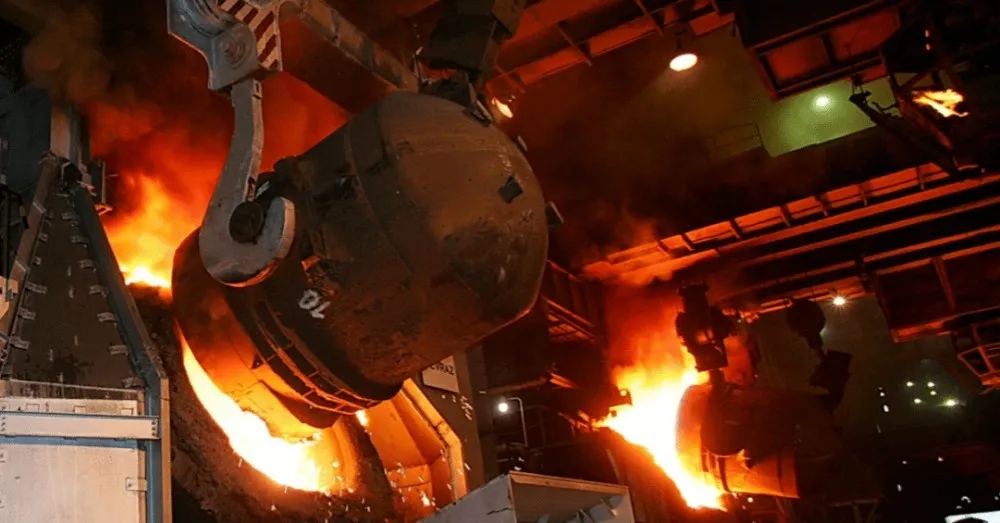
VIM (Vacuum Induction Melting): Eliminating dissolved gases for ultra-pure chemistry.
ESR (Electroslag Remelting): Filtering inclusions to maximize the fatigue life of your parts.
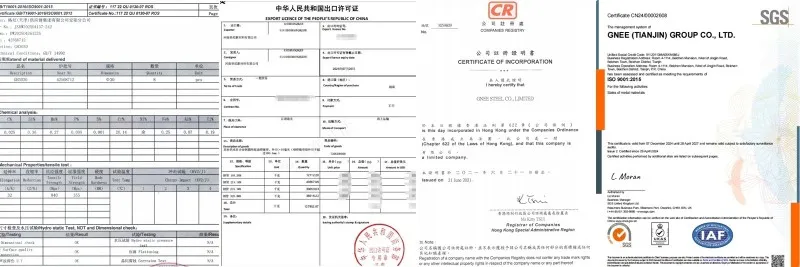
MTC 3.1 Traceability: Full heat analysis and mechanical test reports included, ensuring compliance with ASTM A453 (for GH2132) and AMS 5589 (for GH3030).
Contact us now to get the latest export price for GH4169 in 2026
FAQ
Q1: Can GH2132 replace 316L for high-temp fasteners?
A: Yes. GH2132 is a significant upgrade. While 316L softens above 450°C, GH2132 maintains its high yield strength up to 650°C, making it a far more Reliable Supplier choice for turbine bolting.
Q2: Why is the price gap so large between these two alloys?
A: It is driven by the Nickel Surcharge. GH3030 contains 3 times as much nickel as GH2132. This high nickel base is essential for surviving the "fire zone" without oxidation.
Q3: Can I weld GH2132 and GH3030 together?
A: Yes. They share good metallurgical compatibility. We recommend using ERNiCr-3 filler metal. However, please note that the maximum load of the assembly will be limited by the GH2132 side's lower oxidation threshold.
Q4: Do you offer trial orders for small batch fabrication?
A: Absolutely. As a Tier-1 Manufacturer, we support R&D. We offer Flexible MOQs on our in-stock inventory of standard sizes.


