


AMS 5666 vs ASTM B446 for H₂S Service: 5 Key Differences
AMS 5666 vs ASTM B446 for H₂S Service: 5 Key Differences
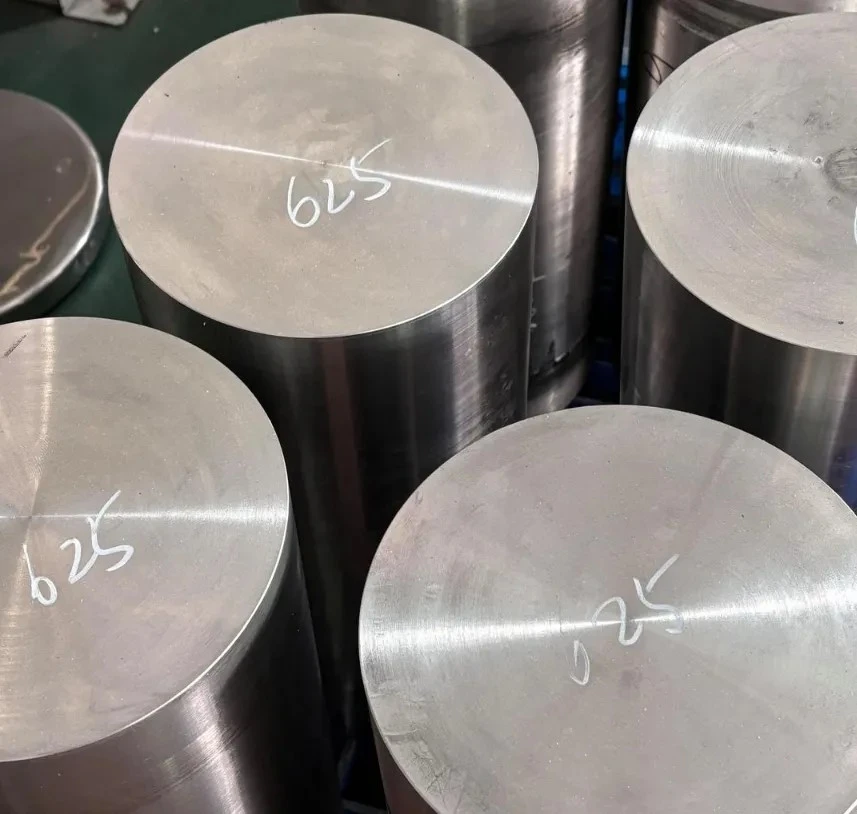
AMS 5666 and ASTM B446 are both industry standards for nickel-chromium-molybdenum alloy 625 (UNS N06625). For hydrogen sulfide (H₂S) environments (acidic gas environments), their material chemistry is essentially the same, but they differ in applicable industries, testing, and manufacturing processes.
What are the disadvantages of Inconel 625?
Disadvantages: High cost: Due to its complex composition and high production costs, Inconel 625 is significantly more expensive than many other materials. Difficult to process: The toughness of Inconel 625 makes it more difficult to process, requiring specialized tools and techniques.
1. Five Key Selection Factors: Why AMS 5666 Standard Takes the Lead
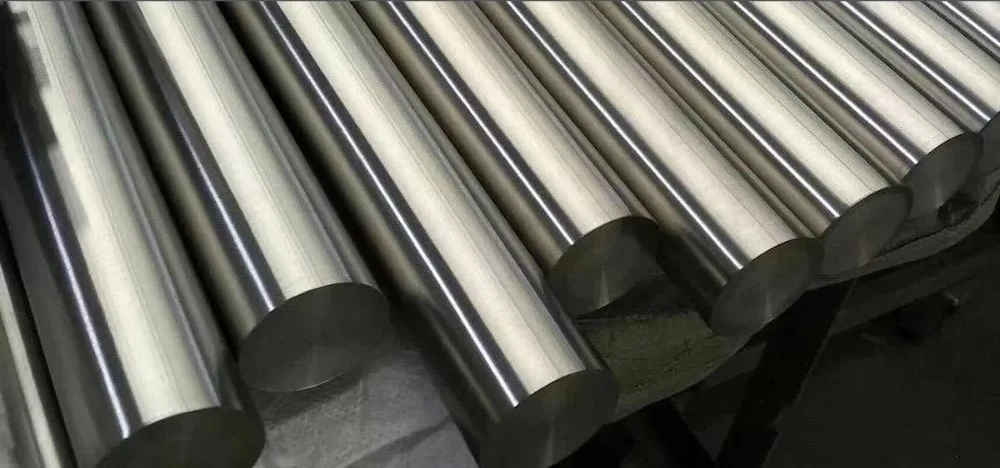
As a Tier 1 manufacturer, Gnee Alloy manufactures GH3625 (Alloy 625) bars to the highest technical standards:
I. Hardness Uniformity: Effectively Prevents Localized Embrittlement
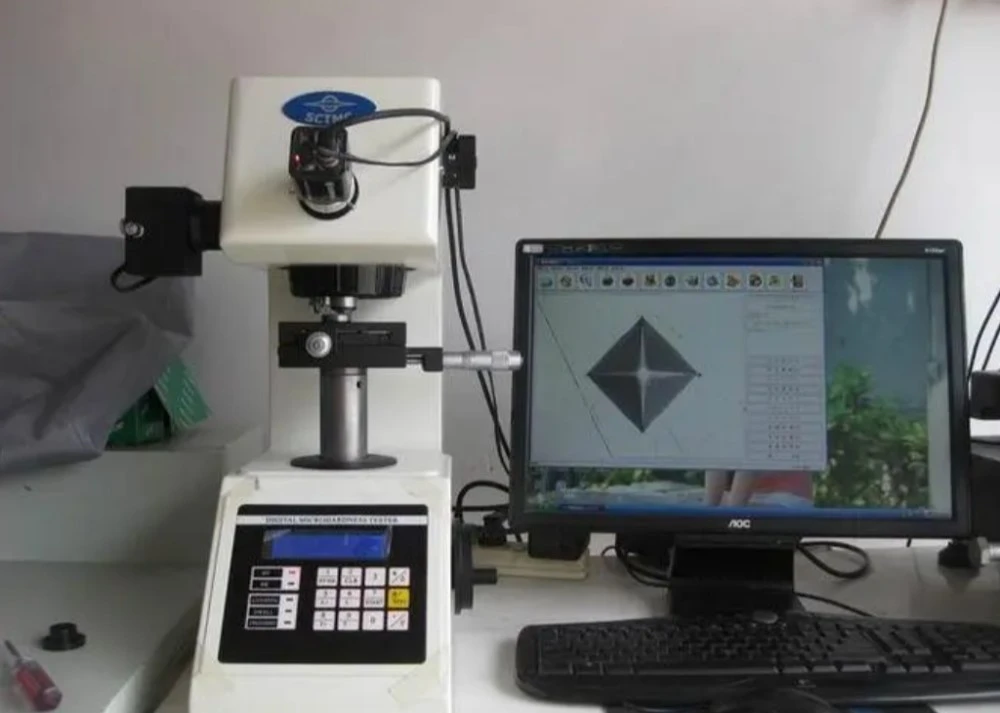
ASTM B446 allows for a wider processing window. AMS 5666, however, requires stricter control over the annealing process. We guarantee uniform hardness across the entire cross-section, ensuring that the hardness of any part of the fastener does not exceed the NACE 35 HRC threshold, thus preventing the initiation of hydrogen-induced cracks.
II. Inclusion Control: The Advantages of Vacuum Ion Melting (VIM) + Vacuum Vacuum Annealing (VAR)
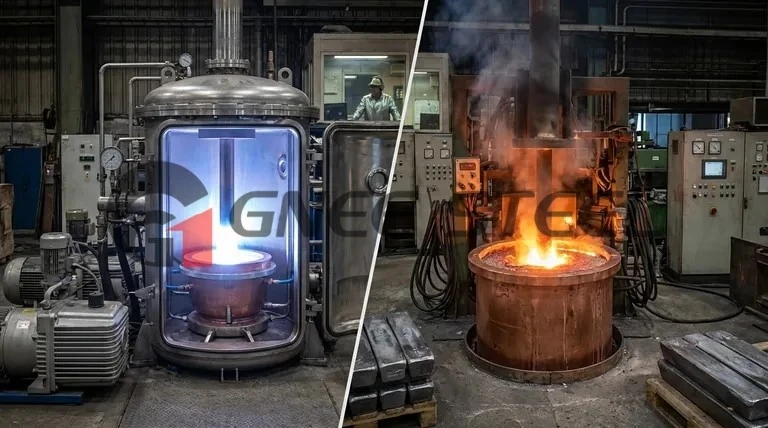
Standard air melting leaves traces of oxides and nitrides. We use a dual vacuum refining process (VIM + VAR). This process eliminates non-metallic inclusions, which are major "anchor points" for stress corrosion crack initiation in acidic salt water.
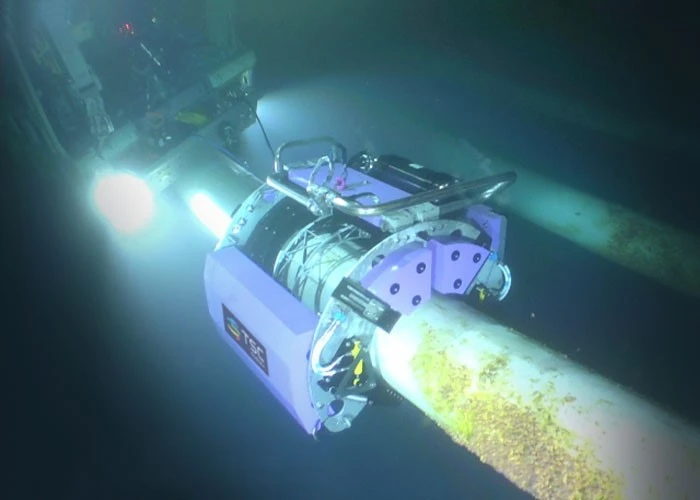
III. Corrosion Index: PREN > 45
To ensure superior industrial durability, we maintain the molybdenum and chromium content at the upper limits of the specification range. This ensures a pitting resistance equivalent (PREN) of 45-52, forming an indestructible localized pitting protection layer in still seawater.
IV. Forging Ratio: 100% Core Material Density
For large-diameter bars, "centerline porosity" is a hidden killer. We maintain a forging reduction ratio of at least 4:1, thereby "repairing" internal voids and forming the dense, uniform grain structure (ASTM E112 Grade 8 and above) required for high-stress subsea manifolds.
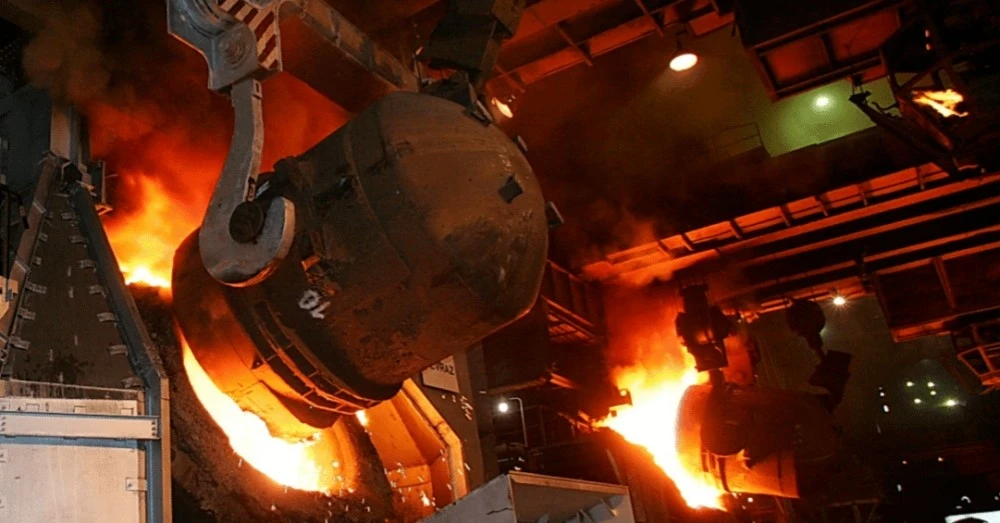

V. Audit Security: Digital Traceability
We address compliance challenges by providing digital and physical audit trails. Each meter of bar is marked with a heat number and matches EN 10204 3.1 MTC, detailing thermal analysis and room temperature/high temperature mechanical properties.
1. Comparison of chemical composition between AMS 5666 and ASTM B446
| Element | AMS 5666 | ASTM B446 | Key Difference |
|---|---|---|---|
| Nickel (Ni) | ≥ 58.0 (Balance) | ≥ 58.0 (Balance) | Same |
| Chromium (Cr) | 20.0 – 23.0 | 20.0 – 23.0 | Same |
| Molybdenum (Mo) | 8.0 – 10.0 | 8.0 – 10.0 | Same |
| Niobium (Nb) | 3.15 – 4.15 | 3.15 – 4.15 | Same |
| Iron (Fe) | ≤ 5.0 | ≤ 5.0 | Same |
| Titanium (Ti) | ≤ 0.40 | ≤ 0.40 | Same |
| Aluminum (Al) | ≤ 0.40 | ≤ 0.40 | Same |
| Carbon (C) | ≤ 0.10 (0.05 typical) | ≤ 0.10 | Same |
| Manganese (Mn) | ≤ 0.50 | ≤ 0.50 | Same |
| Silicon (Si) | ≤ 0.50 | ≤ 0.50 | Same |
| Phosphorus (P) | ≤ 0.015% | ≤ 0.015% | Same |
| Sulfur (S) | ≤ 0.015% | ≤ 0.015% | Same |
| Cobalt (Co) | ≤ 1.0 | ≤ 1.0 | Same |
| Copper (Cu) | ≤ 0.07 | - | AMS includes Cu limit |
2. AMS 5666 and ASTM B446 Melting & Manufacturing Requirements
| Parameter | AMS 5666 | ASTM B446 |
|---|---|---|
| Melting Process | VIM + VAR (double melt – mandatory) | VIM + ESR (typical) |
| Alternative Melting | Not allowed (must be VAR) | VIM + VAR (when specified) |
| Product Form | Bar, rod, wire, forgings (seamless only – no welded products) | Bar, rod, wire, forgings (same) |
| Heat Treatment | Condition A: Solution Annealed (1065–1095°C, rapid cool); Condition B: Solution + Aged | Grade 1: Solution Annealed; Grade 2: Cold Worked / Stress Relieved |
| Grain Size | ASTM 6 or finer (mandatory) | ASTM 5 or coarser (typical – not mandatory) |
| Micro-cleanliness | ≤ 1.0 (ASTM E45 – Method A) | ≤ 2.0 (ASTM E45, typical) |
3. AMS 5666 and ASTM B446 Room temperature mechanical properties (solution annealing)
| Property | AMS 5666 (Condition A) | ASTM B446 (Grade 1) | Difference |
|---|---|---|---|
| Tensile Strength, Ultimate | ≥ 827 MPa (120 ksi) | ≥ 827 MPa (120 ksi) | Same |
| Tensile Strength, Yield (0.2% Offset) | ≥ 414 MPa (60 ksi) | ≥ 414 MPa (60 ksi) | Same |
| Elongation at Break (4D) | ≥ 30% | ≥ 30% | Same |
| Reduction of Area | ≥ 30% (typical) | Not specified | - |
| Hardness (Rockwell) | ≤ 96 HRB (≈ 20 HRC) | ≤ 96 HRB | Same |
| Modulus of Elasticity | ~207 GPa | ~207 GPa | Same |
Click to download the Inconel 625 alloy PDF file now
4. AMS 5666 and ASTM B446: A Comparison of AMS 5666 and ASTM B446 in terms of H₂S
| Feature Category | AMS 5666 (Aerospace/HPHT) | ASTM B446 (Standard Industrial) | Commercial ROI |
| Melting Route | VIM + VAR (Dual Vacuum) | EAF + ESR (Single Vacuum) | Longer Material Life Cycle. |
| Hardness Control | Strict (Optimal for NACE) | General | Reduces risk of sudden fracture. |
| Testing (NDT) | Mandatory 100% UT Class A | Optional / Customer Spec | Guaranteed Structural Integrity. |
| Purity (P, S) | ≤ 0.010% (Ultra-Low) | ≤ 0.015% | Prevents weld-zone cracking. |
| Traceability | AS9100 / Nadcap Grade | ISO 9001 Grade | Total audit transparency. |
5. AMS 5666 and ASTM B446 Non-Destructive Testing (NDT) Requirements
| Parameter | AMS 5666 | ASTM B446 |
|---|---|---|
| Ultrasonic Testing (UT) | 100% mandatory (per AMS 2154 or AMS 2630) | As specified (typically not mandatory for commercial) |
| Eddy Current Testing (ET) | Not typical (for bar) | Not typical |
| Liquid Penetrant Testing (PT) | As specified (often 100% on finished parts) | As specified |
| Visual Inspection | 100% (with magnifiation as required) | 100% |
| Hardness Testing | Per heat / per lot | Per heat / per lot |
Why Partner with Gnee Alloy?
✅️Zero-Risk Substitution: Our materials are globally recognized equivalents to UNS N06625, ensuring your project passes Tier-1 OEM audits.
✅️Wholesale Pricing: Benefit from Direct Factory Price on bulk tonnage for offshore field developments.
✅️Massive In-Stock Inventory: We stock diameters from 1/2" to 12" ready for Immediate Global Dispatch.
✅️Custom Fabrication: We offer precision centerless grinding (h8-h11 tolerances) and specialized heat treatment services.
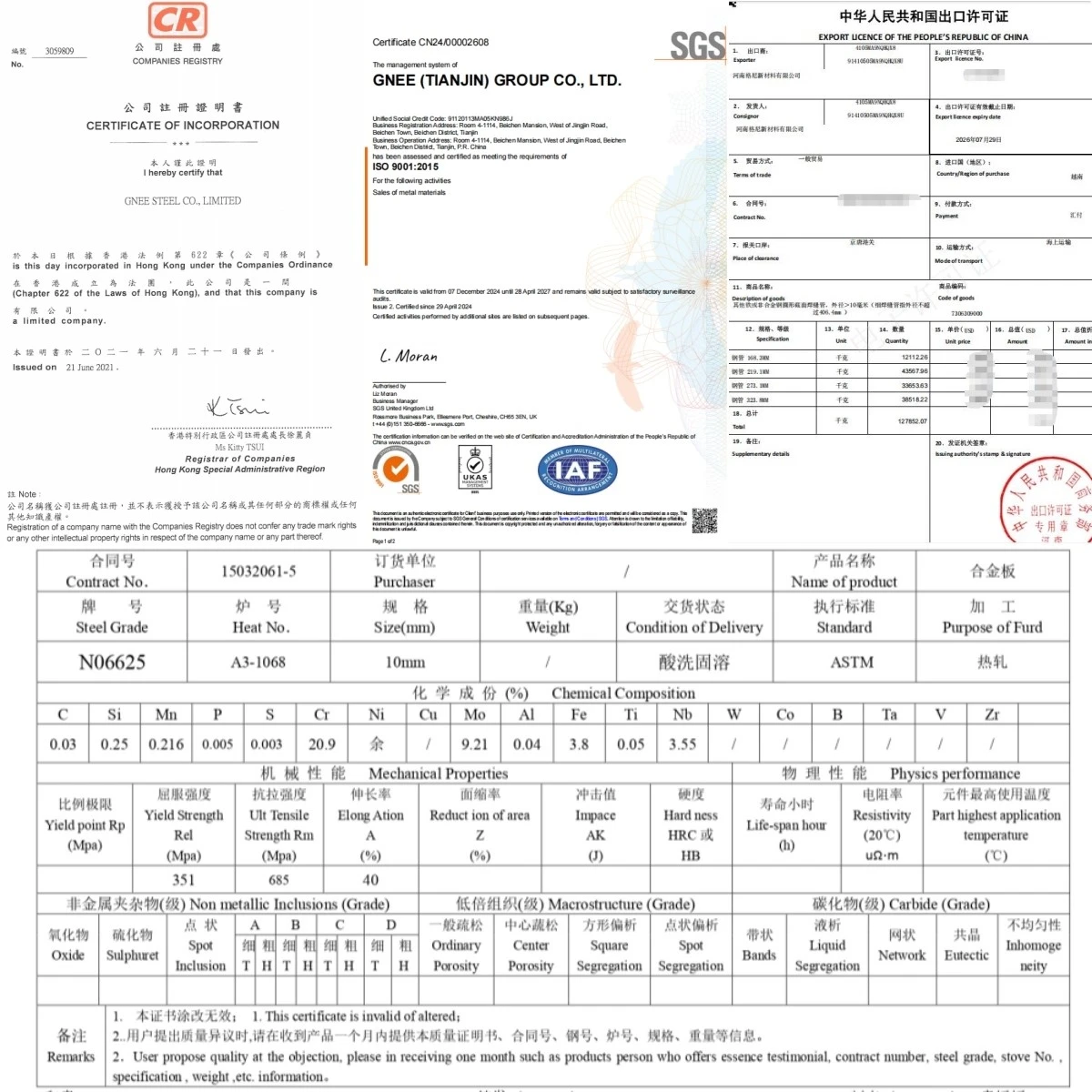
Gnee Alloy inconel 625 certificate
Gnee Alloy Product Packaging
All stainless steel products are:
✅️Packed in wooden pallets or crates
✅️Covered with moisture-proof wrapping
✅️Labeled with heat number, standard, and size
✅️Shipped worldwide via sea, air, or express

Gnee Alloy 625 Alloy Packaging
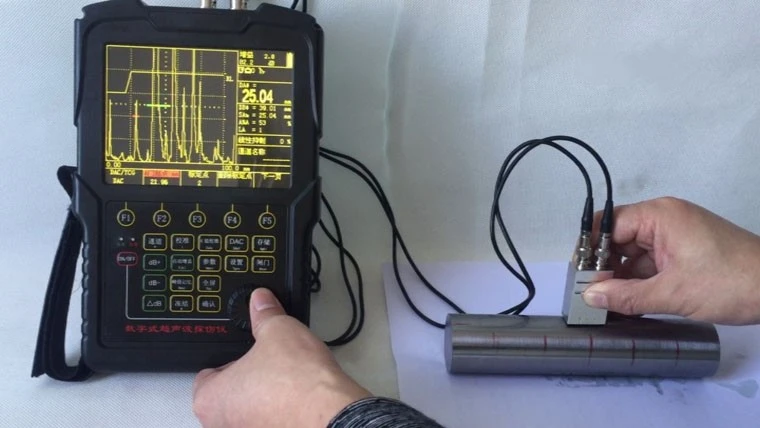
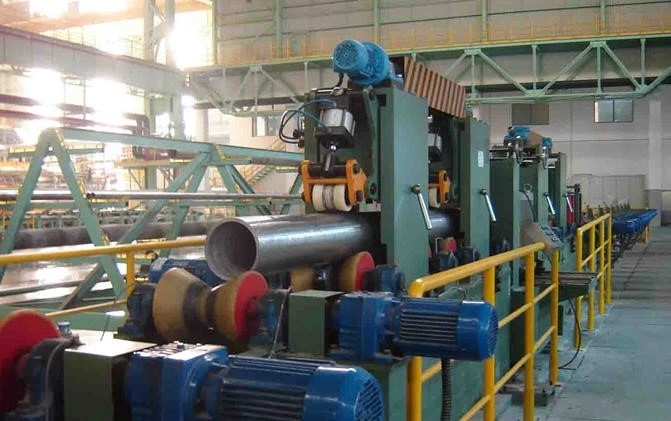
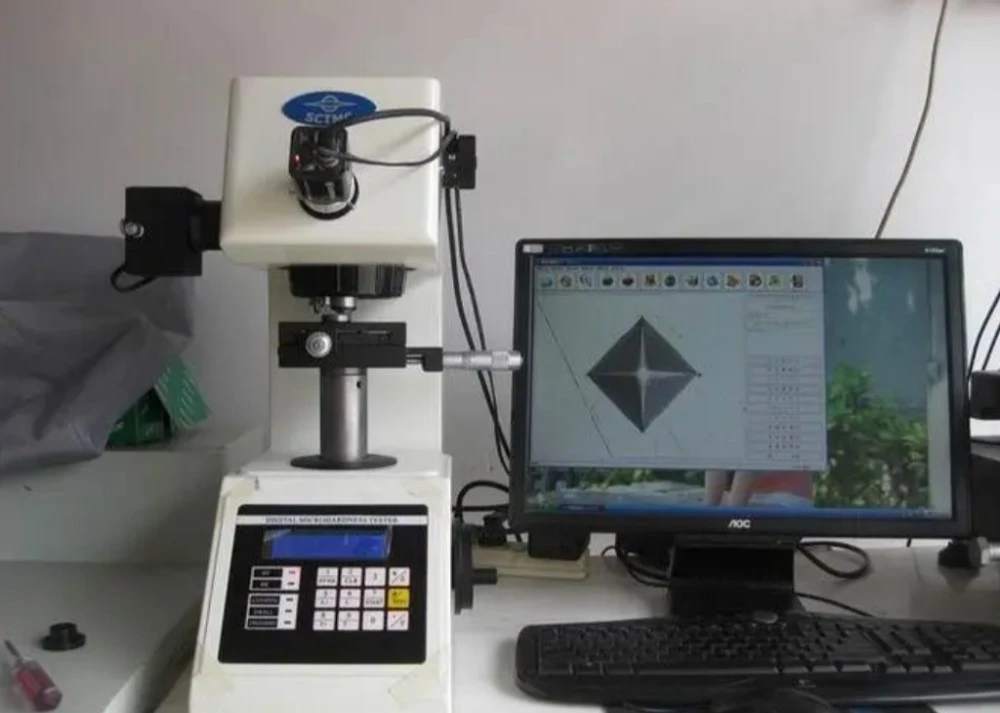
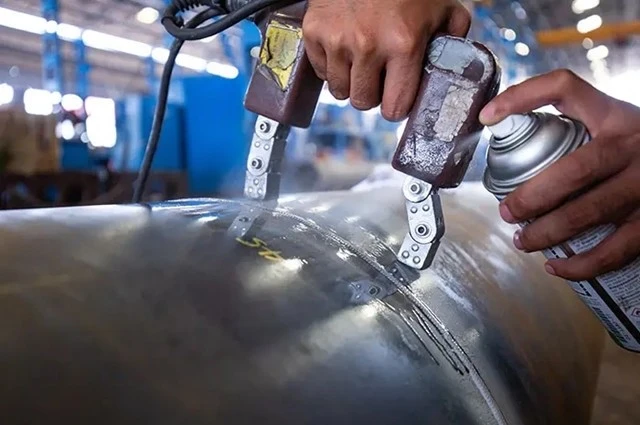
Gnee Alloy Production Equipment and Product Testing


Contact us now to get the latest export price for Inconel 625 in 2026
FAQ
Q1: Can I use ASTM B446 if my project specifies NACE MR0175?
A: You can, if the manufacturer provides specific testing and heat treatment to guarantee the 35 HRC limit is met. However, AMS 5666 is the safer, industry-preferred standard for H2S service because the base processing is inherently more controlled.
Q2: How do you verify the PREN value for my audit?
A: We provide the exact PREN (Cr + 3.3Mo + 16N) calculation based on the specific heat analysis of your order, clearly documented on the Mill Test Certificate (MTC).
Q3: Can these bars be used for high-strength subsea fasteners?
A: Absolutely. Our AMS 5666 rods are specifically processed for high-speed automated thread rolling, providing the combination of high yield strength and extreme corrosion guarding required for subsea connectors.
Q4: Do you offer bulk discounts for major infrastructure projects?
A: Yes. As a leading Wholesale Supplier, we offer tiered pricing and dedicated inventory reserves for long-term contract partners in the energy sector.


