


Looking for a supplier of ASME-certified Inconel 718 seamless tubing with expertise in high-performance applications? You've come to the right place. As a leading ASME and ISO certified manufacturer of nickel alloy tubing, GNEE specializes in providing high-quality Inconel 718 tubing products for critical sectors such as aerospace, oil and gas, and chemical industries. This guide provides a detailed comparison of Inconel 718 tubing conforming to ASME SB 167 and ASME SB 829 specifications, helping you understand the differences in their scope of application, manufacturing processes, mechanical properties, and optimal application choices.
Information on ASME SB 167 and SB 829 Inconel 718 seamless tubes

Information on ASME SB 167 and SB 829 Inconel 718 seamless tubes
ASME SB-167 and SB-829 standards specify the requirements for seamless nickel-chromium-iron alloy (Inconel) tubing, with SB-829 being the general requirements standard. Inconel 718 (UNS N07718) is a commonly used alloy grade, known for its high strength, excellent corrosion resistance, and stability at temperatures ranging from cryogenic to high temperatures (up to approximately 1300°F/705°C). Due to their resistance to oxidation, fatigue, and stress corrosion cracking, these tubes are crucial in aerospace (jet engines), oil and gas (downhole tools), power generation (turbines), and chemical industries. Niobium and molybdenum are typically added to enhance their properties.
Does inconel 718 undergo work hardening?
Inconel 718 is an extremely difficult material to machine due to its high toughness, low thermal conductivity, and susceptibility to work hardening. Furthermore, as a material prone to work hardening, Inconel 718 undergoes multiple plastic deformations during machining.

1. Overview of 718 Seamless Pipe Standards: Key Differences and Application Positioning
ASME SB 167 and ASME SB 829 are both material specifications published by the American Society of Mechanical Engineers (ASME), but they have fundamental differences in the types of Inconel 718 tubing covered and the manufacturing processes involved.
ASME SB 167: Nickel-Chromium-Iron Alloys (UNS N06600, N06601, N06617, N06690) and Nickel-Chromium-Cobalt-Molybdenum Alloy (UNS N06617) Seamless Tubes

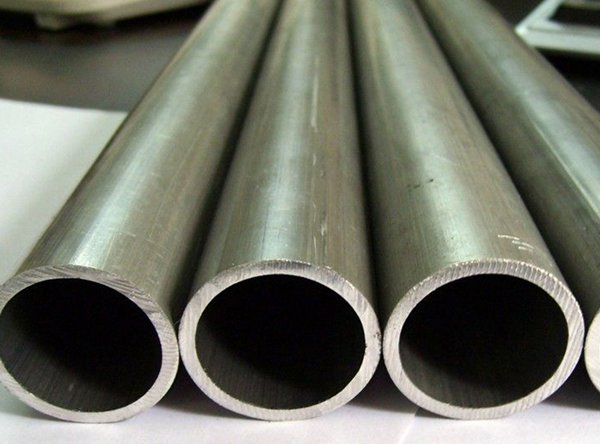
718 Seamless Pipe - Actual Product Sample Image
Key Points: This standard primarily applies to seamless tubes made from nickel-chromium-iron alloys (e.g., 600 and 601 alloys). Although Inconel 718 (UNS N07718) is not directly listed in the standard name, in actual industrial applications, with mutual agreement between supplier and buyer, 718 alloy can be produced and inspected according to some general requirements of this standard. The core process is hot extrusion or hot piercing + cold drawing/cold rolling.
Application Positioning: More focused on general standards for corrosion-resistant piping in traditional chemical, heat treatment, and general industrial applications. For 718 alloy, when using this standard, specific heat treatment procedures (age hardening) and performance requirements for the 718 alloy must be additionally specified.
ASME SB 829: Nickel-Chromium-Molybdenum-Niobium Alloy (UNS N07718) Tubing
Key Points: This is a standard specifically developed for Inconel 718 alloy (UNS N07718) tubing, covering both seamless and welded manufacturing processes.
Application Positioning: Highly specialized, suitable for aerospace, high-performance power, and oil and gas fields with strict strength and performance requirements, such as hydraulic tubing, fuel lines, high-temperature and high-pressure instrument tubing, and downhole tool tubing.
Summary of key differences:
SB 167: This is a more general standard for alloy tubing, with 718 used as a "protocol material."
SB 829: This is a standard specifically for 718 alloy tubing, with more specific and targeted requirements.
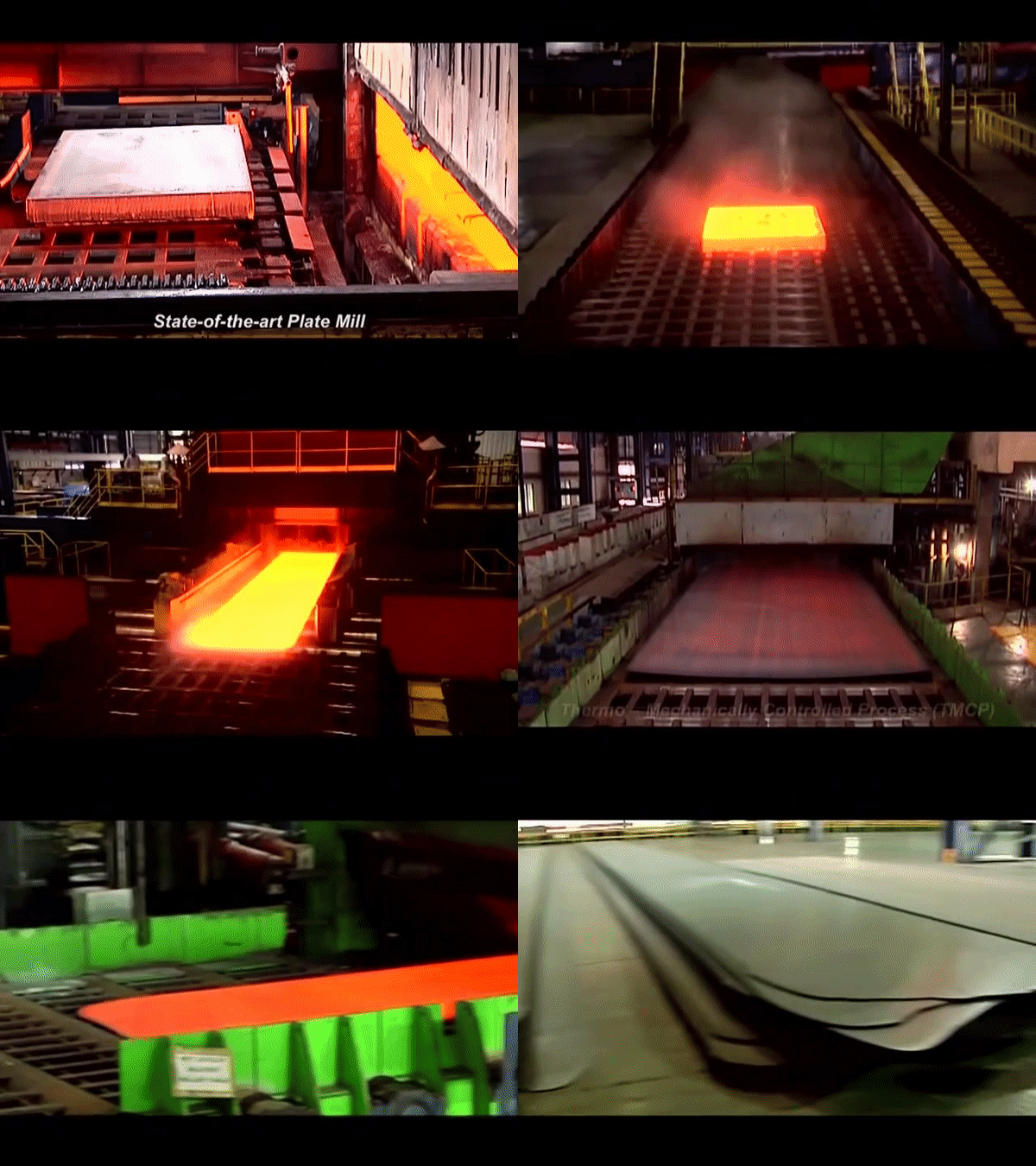
2. Comparison of Manufacturing Processes and Product Forms
This is the most significant technical difference between the two standards.
| Dimension | ASME SB 167 (for 718) | ASME SB 829 |
|---|---|---|
| Process Scope | Seamless tubes. Primarily produced via hot extrusion or hot piercing + cold working (cold drawing/rolling). | Seamless & Welded tubes. Explicitly includes welding processes. Welded tubes must be produced using automatic welding methods (e.g., plasma arc welding, electron beam welding) and require full-thickness heat treatment after welding. |
| Size Range | Covers standard pipe sizes (NPS) and OD/wall thickness series. | Potentially more flexible size range, particularly suitable for small-diameter, thin-wall, or special-sized high-performance tubing. |
| Microstructure | Requires a uniform recrystallized austenitic structure. | Specific grain size requirements (typically ASTM No. 5 or finer) to ensure optimal combined mechanical properties. |
3. Inconel 718 Seamless Tubes Specifications
| Specifications | ASTM B163, B516 / ASME SB163, SB 516, SAE AMS 5589, SAE AMS 5590, ASME Code Case N-253, DIN 17751 |
|---|---|
| Size | 375" through 1" OD |
| Type | Seamless / ERW / Welded / Fabricated / LSAW Tubes |
| Standards | ASME SB-167 ASME SB-829 ASME SB-775 ASME SB-725, UNS N06600 / Werkstoff Nr. 2.4816 |
| Length | Single Random, Double Random & Cut Length. |
| Form | Round, Square, Rectangular, Hydraulic Etc. |
| End | Plain End, Beveled End, Treaded. |
4. Inconel 718 Seamless Tubes Chemical Composition
| Grade | C | Mn | Si | S | Cu | Fe | Ni | Cr |
|---|---|---|---|---|---|---|---|---|
| Inconel 718 | 0.08 max | 0.35 max | 0.35 max | 0.015max | 0.30 max | – | 50.00 – 55.00 | 17.00 – 21.00 |
5. Inconel 718 Seamless Tubes Mechanical Properties
| Element | Density | Melting Point | Tensile Strength | Yield Strength (0.2%Offset) | Elongation |
|---|---|---|---|---|---|
| Inconel 718 | 8.2 g/cm3 | 1350 °C (2460 °F) | Psi – 1,35,000 , MPa – 930 | Psi – 75,000 , MPa – 482 | 45 % |
6. Comparison of Inspection and Testing Requirements
Differences in inspection items reflect varying focuses on tubing reliability.
| Inspection Item | ASME SB 167 (General) | ASME SB 829 (Specialized) | Difference Interpretation |
|---|---|---|---|
| Hydrostatic Test | Required. A fundamental safety inspection. | Required. A fundamental safety inspection. | No essential difference. |
| Non-Destructive Testing (NDT) | Can be required by agreement; typically Eddy Current (ET) or Ultrasonic (UT) testing. | For welded tubes, mandatory full-length NDT (e.g., Radiographic Testing, RT) is required. For seamless tubes, UT/ET is strongly recommended or mandated. | SB 829 has lower tolerance for defects and stricter testing requirements, especially for welded tubes. |
| Intergranular Corrosion Test | Typically not required. | Can be required by agreement (e.g., ASTM G28 Method A) to evaluate corrosion resistance after welding or heat treatment. | SB 829 places greater emphasis on application reliability in corrosive environments. |
| Hardness Test | By agreement. | Typically required to verify heat treatment condition. | SB 829 uses hardness as a key process control indicator for the heat-treated condition. |
5. Typical Application Scenarios and Selection Decisions
The choice of standard fundamentally depends on the ultimate use of the tubing.
Scenarios for using ASME SB 167 (agreement-based production of 718 tubing):
Used in general industrial fields outside of aerospace, such as high-pressure pipelines and heat exchanger tubes in chemical equipment.
When the design party has very clear requirements for the tubing and is able to specify all 718-specific heat treatment and performance parameters in the order.
When pursuing procurement flexibility and cost optimization, and the supplier has the capability to produce high-quality 718 tubing according to the agreement.
Scenarios for using ASME SB 829 (dedicated standard):
Aerospace and Defense: Engine fuel/hydraulic lines, bleed air system piping, flight control system piping.
Oil and Gas Exploration (O&G): Housings and connecting pipes for high-strength downhole tools (such as MWD/LWD).
High-performance racing: Turbocharger intake and exhaust manifolds, hydraulic system lines.
Any application requiring the highest reliability, performance consistency, and compliance with specific industry standards.

inconel 718 Selection and Decision-Making Process Flowchart

Power Plants Industry
Aerospace Industry
Refineries Industry
Oil & Gas Industry
Sugar Industry
Chemical Industry
Petrochemical Industry
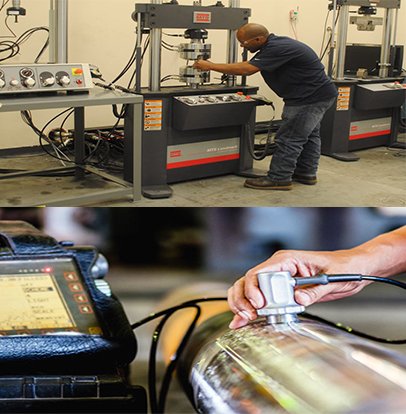
Tests conducted by Gnee Steel (including destructive and non-destructive testing):
Material identification
Mechanical property testing, such as tensile strength, elongation, and reduction of area
Large-scale testing
Chemical analysis – Spectroscopic analysis
Hardness testing
Pitting corrosion protection testing
Small-scale testing
X-ray inspection
Impact analysis
Eddy current testing
Hydrostatic pressure testing
Rapid testing
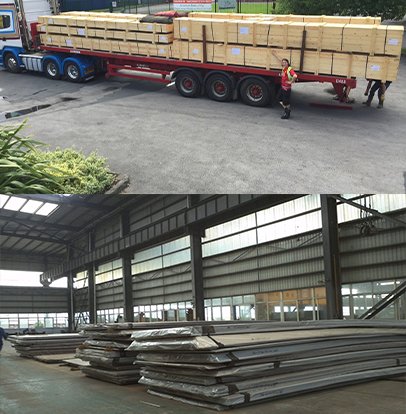
Gnee Steel Packing :
Packaging is extremely important, especially in international shipping, where goods go through multiple stages before reaching their final destination. Therefore, we place great emphasis on packaging.
We use various packaging methods depending on the product. Our product packaging methods include:
Shrink wrap packaging
Cardboard box packaging
Wooden pallets
Wooden crates
Wooden boxes
Please contact us to obtain the latest price list, available sizes, and free technical review services for Inconel 718 alloy pipes and tubes conforming to ASME SB 167 and SB 829 standards, ensuring your piping specifications meet optimal material requirements.

ASME SB 167 and SB 829 provide different levels of quality control frameworks for Inconel 718 tubing. SB 167 offers flexibility, allowing experienced users to customize tubing to meet specific needs through detailed protocols, suitable for non-critical or industrial scenarios with clearly defined design parameters. SB 829, on the other hand, provides certainty and the highest level of assurance. As a dedicated standard for 718 alloy tubing, it systematically and rigorously specifies requirements from chemical composition, manufacturing processes, and heat treatment to inspection and testing, making it the lowest-risk and most reliable choice for high-end and critical applications.
For most projects involving high temperatures, high pressures, high stress, and harsh environments, directly specifying the ASME SB 829 standard is a simpler, safer, and more reliable decision to ensure ultimate performance. As a fully qualified and experienced supplier, GNEE can provide compliant Inconel 718 tubing according to both standards and offer professional technical selection support. Contact us immediately at ru@gneesteelgroup.com to obtain Inconel 718 tubing solutions and authoritative certification documents that meet your project standards.