


316L vs. 904L Stainless Steel: What's the Difference?

316L vs. 904L Stainless Steel: What's the Difference?
316L is a general-purpose stainless steel, while 904L is a high-alloy premium stainless steel. Due to its significantly higher nickel, chromium, molybdenum, and copper content, 904L offers far superior corrosion resistance compared to 316L, especially in highly corrosive, acidic, or chloride-rich environments. This makes it more suitable for demanding industrial applications, but also more expensive. For everyday applications such as food processing, 316L remains the more practical choice. The "L" in both names represents a lower carbon content to improve weldability, but the optimized composition of 904L (higher nickel, chromium, molybdenum, and copper content) gives it better resistance to pitting and crevice corrosion than 316L.
What does the "L" in 316L stainless steel represent?
Low Carbon. The "L" at the end of the 300 series stainless steel grade (e.g., 316L) indicates "low carbon". Carbon content (304 and 316 stainless steel): approximately 0.08%; Carbon content (L-grade stainless steel): approximately 0.03%.


What is 316L stainless steel?
316L stainless steel is an austenitic stainless steel alloy, highly valued for its excellent corrosion resistance and weldability. The "L" stands for "low carbon," which helps reduce intergranular corrosion during welding. Its main components include iron, chromium, nickel, and molybdenum, combining strength, formability, and corrosion resistance.
What is 904L stainless steel?
904L stainless steel (or SS 904L) is a high-alloy austenitic stainless steel, renowned for its exceptional corrosion resistance, especially in highly corrosive environments. The main components of 904L stainless steel are iron, nickel, chromium, molybdenum, and a small amount of copper, which enhance its resistance to chemicals such as sulfuric acid, chlorides, and phosphoric acid.
Comparison of chemical composition of 316L and 904L
| Element | 316L | 904L |
|---|---|---|
| Chromium (Cr) | 16–18% | 19–23% |
| Nickel (Ni) | 10–14% | 23–28% |
| Molybdenum (Mo) | 2–3% | 4–5% |
| Carbon (C) | ≤0.03% | ≤0.02% |
| Copper (Cu) | - | 1–2% |
| Nitrogen | small | small |
| Iron | Balance | Balance |
Comparison of Corrosion Resistance of 316L and 904L
| Type of Corrosion | 316L | 904L |
|---|---|---|
| General Corrosion | Excellent | Outstanding |
| Pitting (chlorides, seawater) | Very good | Superior |
| Crevice Corrosion | High resistance | Much higher resistance |
| Sulfuric Acid | Poor | Best-in-class (copper helps) |
| Acetic / organic acids | Good | Excellent |
| High-chloride environments | Strong | Extreme |
Comparison of mechanical properties between 316L and 904L
| Property | 316L | 904L |
|---|---|---|
| Tensile Strength | ~485 MPa | ~490 MPa |
| Yield Strength | ~170 MPa | ~220 MPa |
| Hardness | Similar | Slightly higher |
| Ductility | Excellent | Very high |
| Toughness | Excellent | Excellent |
Comparison of Weldability and Machining Performance between 316L and 904L
316L
Excellent weldability
No preheating required
No post-weld heat treatment required
Stable corrosion resistance after welding
904L
Weldable, but requires advanced welding skills
High alloy content increases the risk of hot cracking
Generally requires control by experienced welders
Post-weld cleaning is crucial for maintaining corrosion resistance
Heat Resistance Comparison of 316L and 904L
| Condition | 316L | 904L |
|---|---|---|
| Continuous Service | Up to 870°C | Up to 1090°C |
| Structural Stability | Excellent | Excellent |
| Scaling Resistance | Good | Superior |
Applications for 316L and 904L

Best Uses for 316L Stainless Steel
Marine components
Heat exchangers
Food processing equipment
Chemical storage tanks and pipelines
Pharmaceutical equipment
Medical devices
Building components
316L is the preferred material globally for applications requiring extremely high corrosivity, hygiene standards, and marine use.
Best Uses for 904L Stainless Steel
High-chloride environments
Strong acid environments (especially sulfuric acid)
Seawater desalination plants
High-end consumer goods
Luxury watches/precision parts
Petrochemical pipelines
Fertilizer plants
Organic acid environments
904L not only has stronger chemical properties, but is also suitable for applications with extremely high requirements for appearance, such as high-end products.
Cost comparison between 316L and 904L
| Factor | 316L | 904L |
|---|---|---|
| Raw Material Cost | Medium | High |
| Nickel Content | 10–14% | 23–28% |
| Machining Cost | Normal | Higher |
| Welding Cost | Lower | Higher |
| Global Availability | Very high | Medium |
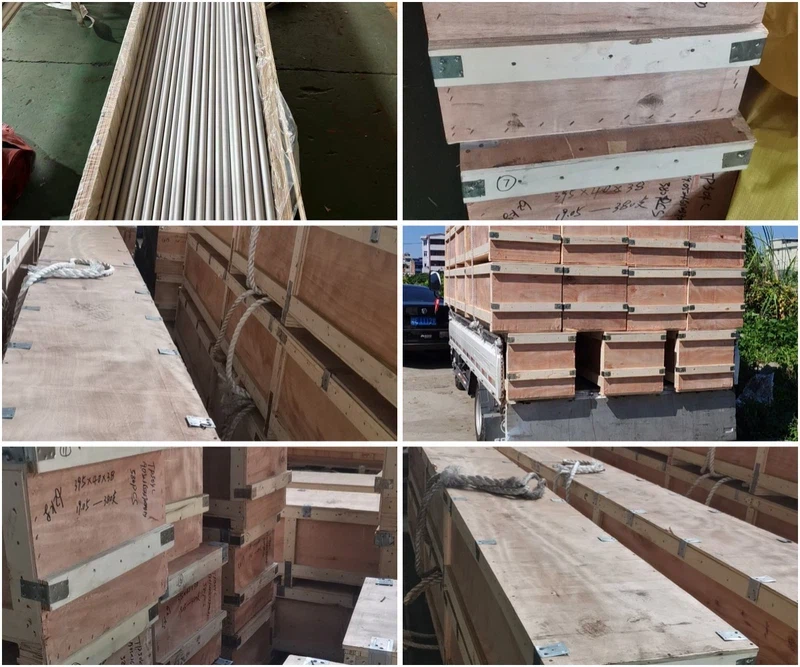
Gnee Steel specializes in the production of a wide range of stainless steel products. Gnee Steel's product packaging includes: Steel Strapping: Pipes with an outer diameter of 3 inches or less are typically strapped together with polypropylene film to prevent rust during ocean shipping, and then secured with steel strapping. Wooden Cases/Crates: Pipes are typically packaged in wooden cases or crates to protect the pipes during transportation, especially those that are longer or have larger diameters. Seaworthy Export Packaging: Suppliers typically use standard seaworthy export packaging methods, which may include a variety of materials and techniques to protect the pipes during transportation. Tarpaulin Packaging: This prevents rain, seawater, and other external factors from penetrating the export crates during transportation. Gnee Steel specializes in the production and sale of alloy materials. Gnee Steel's products are widely used in the aerospace, chemical, power, automotive, and nuclear energy sectors, and we can provide customized alloy material solutions based on customer needs. For alloy material pricing or customized alloy material solutions, please contact us for a quote: ru@gneesteelgroup.com