


Which is better for kitchen use: 304 or 316 stainless steel?

Which is better for kitchen use: 304 or 316 stainless steel?
For general kitchen use, 304 stainless steel is usually sufficient and more economical, as it is the industry standard for sinks, countertops, and cookware. However, 316 stainless steel is better suited for harsh kitchen environments, such as coastal areas, or for handling highly acidic foods, as its superior corrosion resistance is ideal for these conditions.
Which is better for food: 304 or 316?
316 stainless steel is easy to clean and sterilize, which is crucial for preventing the growth of harmful bacteria in food processing areas. 304 is the industry standard grade of stainless steel, but we always recommend using 316 or 316L stainless steel in any situation involving water or a kitchen.

Understanding 304 Stainless Steel
Understanding 304 stainless steel (or T-304 grade) requires recognizing its versatile properties and wide range of applications. 304 stainless steel is primarily composed of 18% chromium and 8% nickel, exhibiting excellent corrosion resistance in various environments, making it suitable for products such as sinks, pans, and building panels. Its low-carbon variant, 304L, offers better weldability and is the preferred choice for thicker components. Furthermore, the higher carbon content 304H is suitable for high-temperature environments. Processing 304 stainless steel requires specialized tools and precautions to avoid contamination. While heat treatment cannot harden it, its good machinability and weldability make it indispensable in industries such as food production, pharmaceuticals, and construction.
Understanding 316 Stainless Steel
Now, let's turn our attention to type 316 stainless steel, often simply referred to as T-316. This stainless steel is renowned for its exceptional corrosion resistance, especially in high-salt environments, thanks to its molybdenum content. You will delve into its unique properties, including its variant, 316L, which offers similar performance but with a lower carbon content.
Key Differences Between 304 and 316 Stainless Steel
Chemical Composition
| Element | 304 Stainless Steel | 316 Stainless Steel |
|---|---|---|
| Chromium (Cr) | 18.0 – 20.0% | 16.0 – 18.0% |
| Nickel (Ni) | 8.0 – 10.5% | 10.0 – 14.0% |
| Molybdenum (Mo) | - | 2.0 – 3.0% |
| Carbon (C) | ≤ 0.08% | ≤ 0.08% |
| Manganese (Mn) | ≤ 2.00% | ≤ 2.00% |
| Silicon (Si) | ≤ 1.00% | ≤ 1.00% |
| Phosphorus (P) | ≤ 0.045% | ≤ 0.045% |
| Sulphur (S) | ≤ 0.03% | ≤ 0.03% |
| Iron (Fe) | Balance | Balance |
Corrosion Resistance
Based on the differences in chemical composition, we will now explore how these differences between 304 and 316 stainless steel affect their respective corrosion resistance. Both 304 and 316 are chromium-nickel stainless steels with good corrosion resistance. However, the presence of molybdenum in 316 stainless steel gives it superior corrosion resistance, especially against chloride pitting. This makes it ideal for applications involving frequent contact with corrosive substances, such as marine environments or chemical processing. On the other hand, while 304 stainless steel performs well in many applications, it may not be as durable as 316 stainless steel under such harsh conditions. Therefore, understanding these key differences in corrosion resistance can guide you in making the best choice for your specific application.
Mechanical Properties
You will notice a significant difference in mechanical properties between 304 and 316 stainless steel, which greatly affects their suitability for a variety of applications. 316 stainless steel has higher tensile strength and hardness, while 304 stainless steel is more flexible due to its lower modulus of elasticity.
| SS Type | 304 | 316 |
|---|---|---|
| Tensile Strength | Moderate | High |
| Hardness | Moderate | High |
| Modulus of Elasticity | High | Lower |
| Physical Properties | Excellent | Superior |
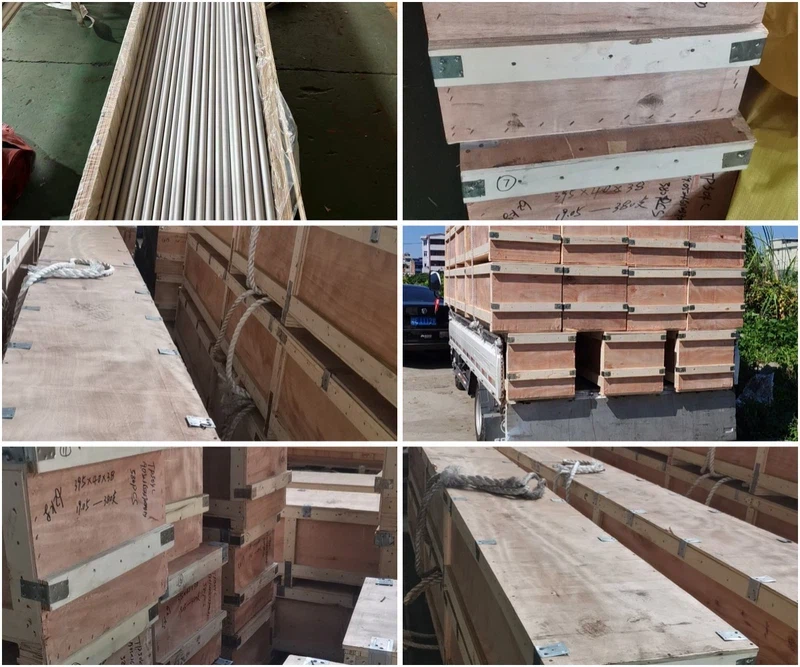
Gnee Steel specializes in the production of a wide range of stainless steel products. Gnee Steel's product packaging includes: Steel Strapping: Pipes with an outer diameter of 3 inches or less are typically strapped together with polypropylene film to prevent rust during ocean shipping, and then secured with steel strapping. Wooden Cases/Crates: Pipes are typically packaged in wooden cases or crates to protect the pipes during transportation, especially those that are longer or have larger diameters. Seaworthy Export Packaging: Suppliers typically use standard seaworthy export packaging methods, which may include a variety of materials and techniques to protect the pipes during transportation. Tarpaulin Packaging: This prevents rain, seawater, and other external factors from penetrating the export crates during transportation. Gnee Steel specializes in the production and sale of alloy materials. Gnee Steel's products are widely used in the aerospace, chemical, power, automotive, and nuclear energy sectors, and we can provide customized alloy material solutions based on customer needs. For alloy material pricing or customized alloy material solutions, please contact us for a quote: ru@gneesteelgroup.com


