


What are the differences between stainless steel 410 and 316?

What are the differences between stainless steel 410 and 316?
410 stainless steel is a martensitic stainless steel with high strength, high hardness, magnetic properties, and is heat-treatable. It is suitable for tools and cutlery in mild environments. 316 stainless steel is an austenitic stainless steel with excellent corrosion resistance (especially against chlorides and in marine environments, thanks to its molybdenum content), is non-magnetic, and is more suitable for chemical and marine engineering applications, but it is also more expensive. The main differences between the two are that 316 stainless steel has superior corrosion resistance, while 410 stainless steel has higher strength and hardness; in addition, 410 stainless steel is magnetic, while 316 stainless steel is virtually non-magnetic.
Will a magnet stick to 316 stainless steel?
316 stainless steel is typically non-magnetic because it is an austenitic stainless steel. However, after processes such as cold working (bending, stretching, machining) or welding, it may become magnetic because these processes can transform some of the austenite into magnetic martensite; or if it is cast (CF8M) and contains ferrite, it will also be magnetic. Therefore, while unprocessed, soft 316 stainless steel is non-magnetic, items like springs, heavily formed fasteners (bolts, nuts), or welded parts will usually exhibit some degree of magnetism.

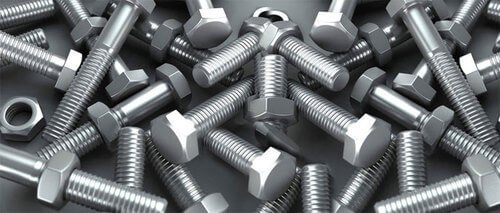
What is SS 410 ?
410 stainless steel can be hardened through "quenching" heat treatment, similar to most carbon steels. 410 stainless steel is a typical martensitic stainless steel with a chromium content of at least 11.5%, sufficient to provide corrosion resistance. The material achieves optimal corrosion resistance after polishing, quenching, and tempering. This grade of stainless steel is suitable for applications requiring a combination of high strength, moderate heat resistance, and corrosion resistance.
What is SS 316?
The importance of austenitic stainless steels is ranked in descending order, with Type 304 stainless steel being the most important. Type 316 stainless steel is a standard grade containing molybdenum. Due to the presence of molybdenum, Type 316 stainless steel has better overall corrosion resistance than Type 304 stainless steel, especially in chloride-rich environments, where it exhibits superior resistance to pitting and crevice corrosion. It possesses excellent formability and weldability. It can be easily stamped or rolled into shape, producing a large number of parts used in various fields such as construction, transportation, and industry.
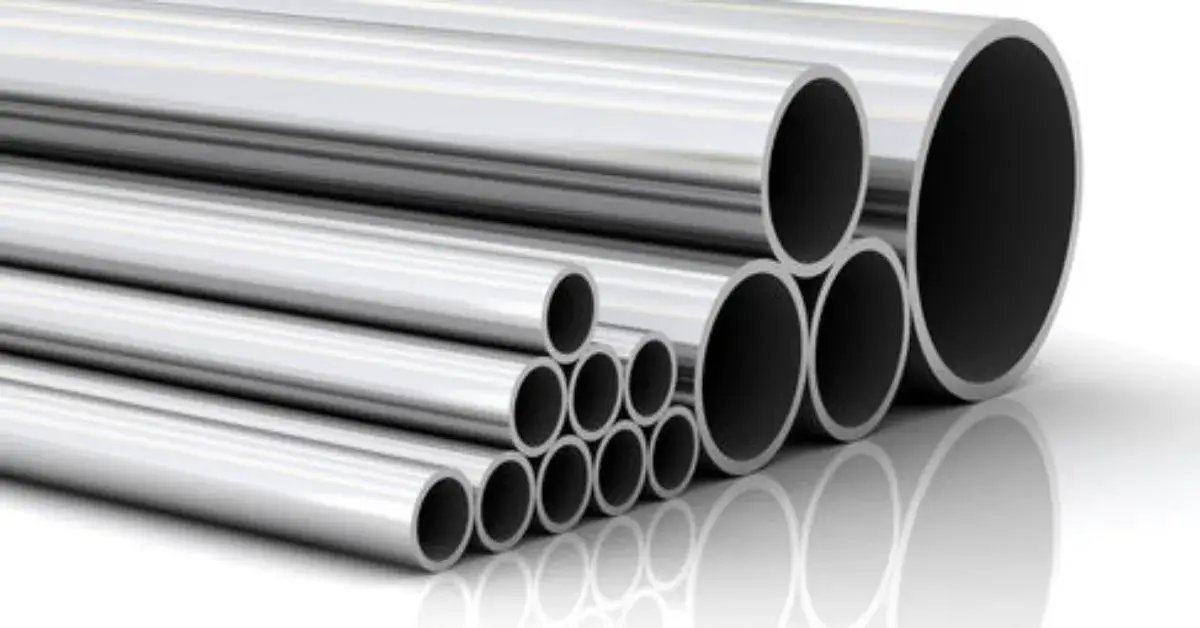
Stainless Steel 410 vs 316 – What's the Difference
| Feature | 410 Stainless Steel (Martensitic) | 316 Stainless Steel (Austenitic) |
| Primary Advantage | High Strength, Hardness & Wear Resistance | Superior Corrosion & Heat Resistance |
| Corrosion Resistance | Fair (Good in mild, dry environments) | Excellent, especially against chlorides (saltwater) |
| Magnetism | Magnetic | Non-Magnetic |
| Key Alloying Elements | Chromium (Cr), Carbon (C) | Chromium (Cr), Nickel (Ni), Molybdenum (Mo) |
| Cost | More Economical | Higher (due to Nickel and Molybdenum content) |
| Weldability | Fair (Requires pre-heating and post-weld treatment) | Excellent |
| Typical Applications | Cutlery, Valves, Fasteners, Pump Parts | Marine Hardware, Chemical Tanks, Medical Devices |
Stainless Steel 410 vs 316 International Equivalent Grades Comparison
| Standard System | 410 Stainless Steel (Martensitic) | 316 Stainless Steel (Austenitic) |
| UNS (Unified Numbering System) | S41000 | S31600 |
| AISI/SAE (USA) | 410 | 316 |
| EN (Numeric) (European Standard) | 1.4006 | 1.4401 |
| EN (Name) (European Standard) | X12Cr13 | X5CrNiMo17-12-2 |
| JIS (Japanese Industrial Standard) | SUS 410 | SUS 316 |
| GB (Chinese National Standard) | 12Cr13 (New) / 1Cr13 (Old) | S31608 (New) / 0Cr17Ni12Mo2 (Old) |
| ASTM Casting Equivalent | CA15 | CF8M |
| Common Industry Nickname | – | Marine Grade / A4 Stainless Steel |
Chemical Composition of Stainless Steel 410 vs 316
| Element | 316 Stainless Steel | 410 Stainless Steel | Impact on performance |
| Cr | 16.00 – 18.00 | 11.5 – 13.5 | Provides basic corrosion resistance and forms a surface passivation layer |
| Ni | 10.00 – 14.00 | ≤ 0.75 | Stabilizes the austenite structure, significantly improving ductility and cost |
| Mo | 2.00 – 3.00 | None or trace | Core difference! Greatly enhanced resistance to pitting and crevice corrosion |
| C | ≤ 0.08 | 0.08 – 0.15 | Increases hardness and strength, but reduces weldability and toughness |
Mechanical Properties of Stainless Steel 410 vs 316
| Property | 316 Stainless Steel | 410 Stainless Steel |
|---|---|---|
| Tensile Strength | 520-700 MPa | 480-700 MPa |
| Yield Strength | 205 MPa (min) | 205 MPa (min) |
| Elongation | 40% (min) | 18% (min) |
| Hardness | HRB 90-95 | HRB 80-90 |
| Impact Toughness | Good | Poor |
| Fatigue Strength | High | Low |
| High-Temperature Performance | Suitable for high-temperature environments (up to 870°C) | Suitable for medium to high temperatures (up to 600°C) |
| Corrosion Resistance | Excellent (resistant to acids, saltwater) | Fair (poor resistance to acids) |
Physical Properties of 316 vs 410 Stainless Steel
| Property | Stainless Steel 316 | Stainless Steel 410 |
|---|---|---|
| Density (g/cm³) | ~7.99 | ~7.75 |
| Melting Point (°C) | 1370-1400 | 1480-1530 |
| Thermal Conductivity (W/m·K) | ~16.2 at 100°C | ~24.9 at 100°C |
| Electrical Resistivity (ohm·m) | ~7.4 x 10^-7 at 20°C | ~5.7 x 10^-7 at 20°C |
| Coefficient of Thermal Expansion (µm/m·K) | ~16.5 (20-100°C) | ~10.8 (20-100°C) |
| Specific Heat Capacity (J/kg·K) | ~500 at 20°C | ~460 at 20°C |
| Magnetic Properties | Non-magnetic (Annealed) | Magnetic (All Conditions) |
Corrosion Resistance
316 stainless steel has higher corrosion resistance than 410 stainless steel, due to the addition of molybdenum in the 316 alloy. Molybdenum improves resistance to chloride ion corrosion, which can be a problem in certain environments (such as marine or coastal applications).
Machinability
The difference in machinability between 410 and 316 stainless steel is due to the higher carbon content of 410 stainless steel. Carbon acts as a hardening agent, making 410 stainless steel more difficult to machine than 316 stainless steel. Therefore, 410 stainless steel is typically only used when machining speed is not a primary consideration.
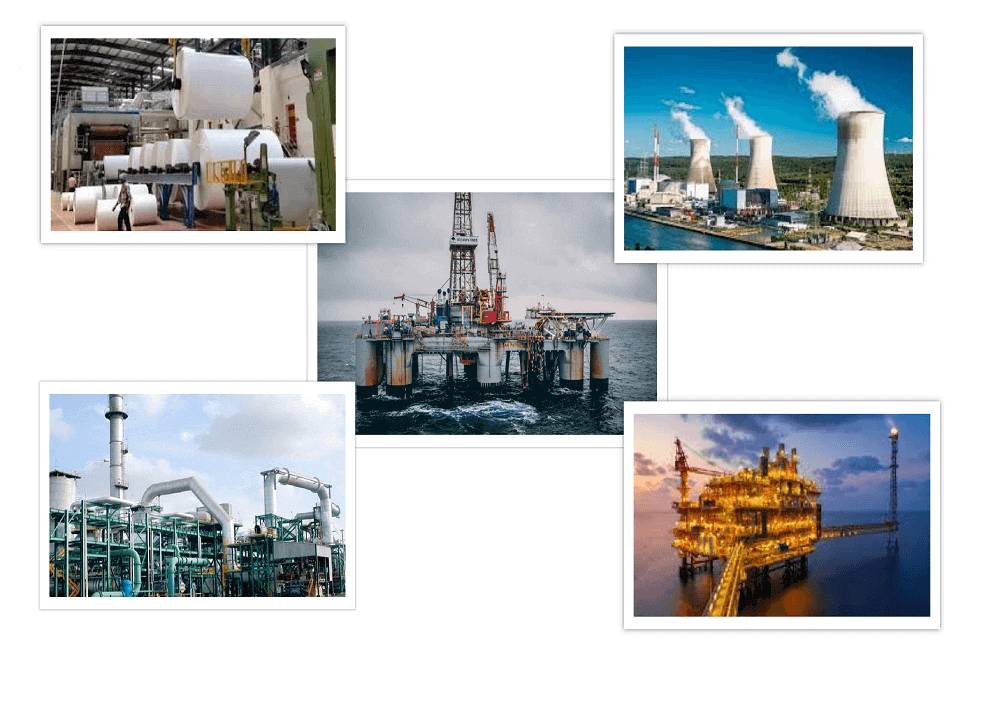
Applications of 316 Stainless Steel:
Coastal regions
Stainless steel and wear-resistant pipes
High-temperature casting
Forgings and structural steel for marine environments (from the chemical industry)
Medical and pharmaceutical equipment
Household appliances
Applications of 410 Stainless Steel:
Kitchen utensil pump rods
Nuts and bolts
Household appliances
Decorative items
Automotive exhaust systems
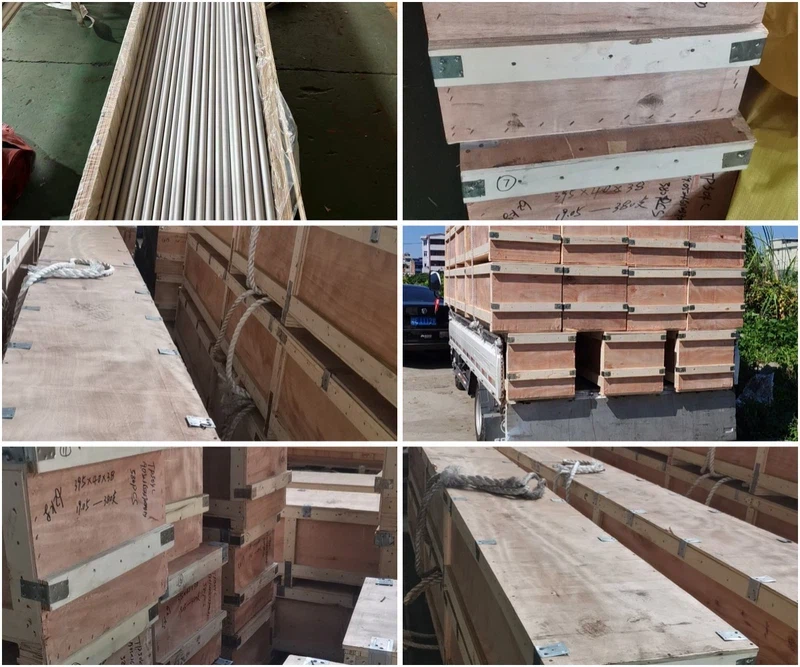
Gnee Steel specializes in the production of a wide range of stainless steel products. Gnee Steel's product packaging includes: Steel Strapping: Pipes with an outer diameter of 3 inches or less are typically strapped together with polypropylene film to prevent rust during ocean shipping, and then secured with steel strapping. Wooden Cases/Crates: Pipes are typically packaged in wooden cases or crates to protect the pipes during transportation, especially those that are longer or have larger diameters. Seaworthy Export Packaging: Suppliers typically use standard seaworthy export packaging methods, which may include a variety of materials and techniques to protect the pipes during transportation. Tarpaulin Packaging: This prevents rain, seawater, and other external factors from penetrating the export crates during transportation. Gnee Steel specializes in the production and sale of alloy materials. Gnee Steel's products are widely used in the aerospace, chemical, power, automotive, and nuclear energy sectors, and we can provide customized alloy material solutions based on customer needs. For alloy material pricing or customized alloy material solutions, please contact us for a quote: ru@gneesteelgroup.com