


What are the differences between 302 stainless steel and 304 stainless steel?

What are the differences between 302 stainless steel and 304 stainless steel?
The main difference lies in their carbon content. 304 stainless steel, due to its lower carbon content, offers superior corrosion resistance and better weldability, while 302 stainless steel is tougher and slightly stronger, but has poorer corrosion resistance. Furthermore, 304 stainless steel has better ductility, making it easier to form and a more common choice for applications requiring mass forming or welding.
Will 302 stainless steel rust?
302 stainless steel is a nickel-iron alloy, meaning that all the properties of iron, including rusting, are weakened. Like 6061 aluminum alloy, 302 stainless steel will not rust, making it one of the most suitable metal grades for the construction industry.

Difference Between 302 and 304 Stainless Steel
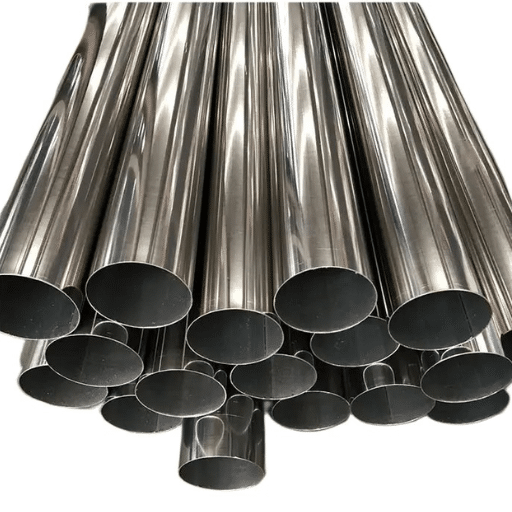
What are the differences between 302 and 304 stainless steel?
The main difference between 302 and 304 stainless steel lies in their chemical composition. Both are austenitic stainless steels, but 302 has a slightly higher carbon content than 304. This gives 302 higher strength and hardness, but its corrosion resistance is slightly lower compared to 304.
On the other hand, 304 stainless steel is renowned for its excellent corrosion resistance and is one of the most widely used stainless steels. Its weldability is also slightly better than 302. For applications requiring higher durability and lower corrosion susceptibility, 304 is often the preferred choice.
The main differences in chemical composition between 302 stainless steel and 304 stainless steel
The main chemical difference between 302 and 304 stainless steel lies in their carbon and chromium content, which has a slight impact on properties such as corrosion resistance and tensile strength.
|
Composition |
302 |
304 |
|---|---|---|
|
Carbon (C) |
≤ 0.15% |
≤ 0.08% |
|
Chromium (Cr) |
0-19.0% |
0-20.0% |
|
Nickel (Ni) |
0-10.0% |
0-10.5% |
|
Manganese (Mn) |
≤ 2.00% |
≤ 2.00% |
|
Silicon (Si) |
≤ 1.00% |
≤ 1.00% |
|
Phosphorus (P) |
≤ 0.045% |
≤ 0.045% |
|
Sulfur (S) |
≤ 0.03% |
≤ 0.03% |
|
Tensile Strength |
Higher |
Lower |
Mechanical Properties Comparison: Stainless Steel 302 vs. 304
| Mechanical Property | 302 Stainless Steel | 304 Stainless Steel |
|---|---|---|
| Tensile Strength | 620-860 MPa (90-125 ksi) | 515-860 MPa (75-125 ksi) |
| Yield Strength (0.2% Offset) | 260-600 MPa (38-87 ksi) | 205-500 MPa (30-73 ksi) |
| Elongation | 45-55% | 40-60% |
| Hardness (Brinell) | 160-220 HB | 150-210 HB |
| Hardness (Rockwell B) | 80-90 HRB | 70-85 HRB |
| Modulus of Elasticity | 193 GPa (28×10⁶ psi) | 193 GPa (28×10⁶ psi) |
| Shear Modulus | 74 GPa (10.7×10⁶ psi) | 74 GPa (10.7×10⁶ psi) |
| Poisson's Ratio | 0.29 | 0.29 |
| Fatigue Strength | 240-310 MPa (35-45 ksi) | 215-310 MPa (31-45 ksi) |
| Density | 8.03 g/cm³ | 8.00 g/cm³ |
Corrosion Resistance Comparison of 304 Stainless Steel vs. 302 Stainless Steel: 304 stainless steel offers superior corrosion resistance compared to 302 stainless steel, resisting a wider range of corrosive substances. It performs exceptionally well in harsher environments, including acidic and alkaline substances.
Weldability Comparison of 304 Stainless Steel vs. 302 Stainless Steel: While both materials are weldable, 304 stainless steel has a lower carbon content, resulting in better weldability and a lower risk of cracking, making it a superior choice for complex welding projects.
Formability Comparison of 304 Stainless Steel vs. 302 Stainless Steel: Both stainless steels offer good formability, but 304 stainless steel's superior corrosion resistance and lower carbon content make it more suitable for manufacturing applications requiring long-term precision and consistency.
Applications of 302 and 304 Stainless Steel
The applications of 302 and 304 stainless steel vary depending on the required performance. Understanding the advantages of each material will help you make the best choice for your project.
Common Uses of 302 Stainless Steel
302 stainless steel is generally used in applications where corrosion resistance is not critical. Common applications include:
Springs
Washers
Electrical contacts
Clamps
Cables and wires
Common Uses of 304 Stainless Steel
304 stainless steel is commonly used in environments requiring higher corrosion resistance and strength. It is widely used in:
Kitchen equipment (e.g., sinks, countertops)
Food processing equipment
Chemical containers and tanks
Medical devices
Building structures
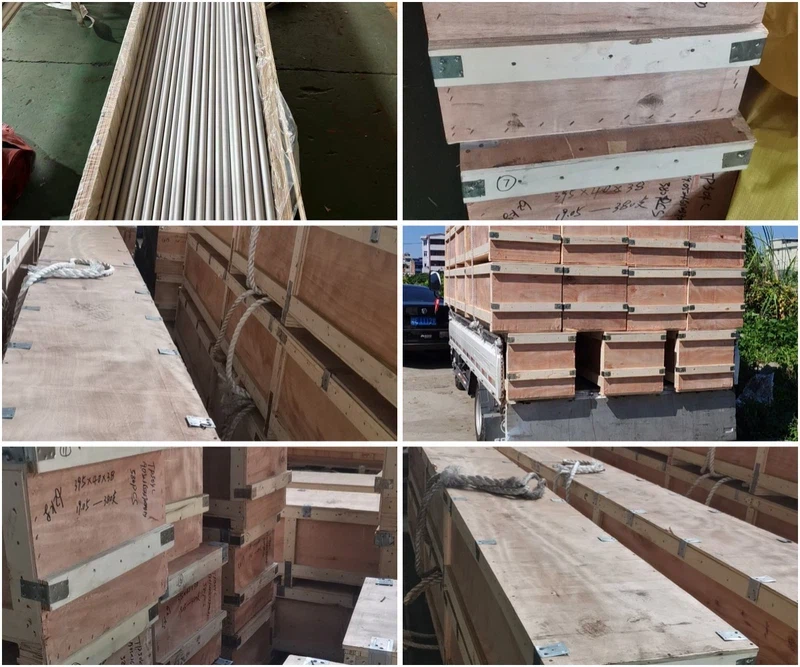
Gnee Steel specializes in the production of a wide range of stainless steel products. Gnee Steel's product packaging includes: Steel Strapping: Pipes with an outer diameter of 3 inches or less are typically strapped together with polypropylene film to prevent rust during ocean shipping, and then secured with steel strapping. Wooden Cases/Crates: Pipes are typically packaged in wooden cases or crates to protect the pipes during transportation, especially those that are longer or have larger diameters. Seaworthy Export Packaging: Suppliers typically use standard seaworthy export packaging methods, which may include a variety of materials and techniques to protect the pipes during transportation. Tarpaulin Packaging: This prevents rain, seawater, and other external factors from penetrating the export crates during transportation. Gnee Steel specializes in the production and sale of alloy materials. Gnee Steel's products are widely used in the aerospace, chemical, power, automotive, and nuclear energy sectors, and we can provide customized alloy material solutions based on customer needs. For alloy material pricing or customized alloy material solutions, please contact us for a quote: ru@gneesteelgroup.com