


The difference between ASTM A213 and A269 stainless steel tubes

The difference between ASTM A213 and A269 stainless steel tubes
The ASTM A213 standard applies to seamless alloy tubes used in high-temperature/high-pressure environments (boilers, heat exchangers) and specifies a minimum wall thickness; while the ASTM A269 standard covers seamless or welded austenitic stainless steel tubes with general corrosion resistance for use at various temperatures and uses an average wall thickness. Therefore, the A213 standard is more stringent for critical, high-stress applications, while the A269 standard offers greater flexibility (seamless/welded, general purpose).
What is ASTM A213 material?
The ASTM A213/ASME SA213 standard covers low-alloy steel tubes and seamless ferritic and austenitic steel boiler tubes, superheater tubes, and austenitic steel heat exchanger tubes with minimum wall thickness. Grades include TP304, TP304H, TP304L, TP310S, TP310HCbN, TP316, TP316H, TP316L, etc.

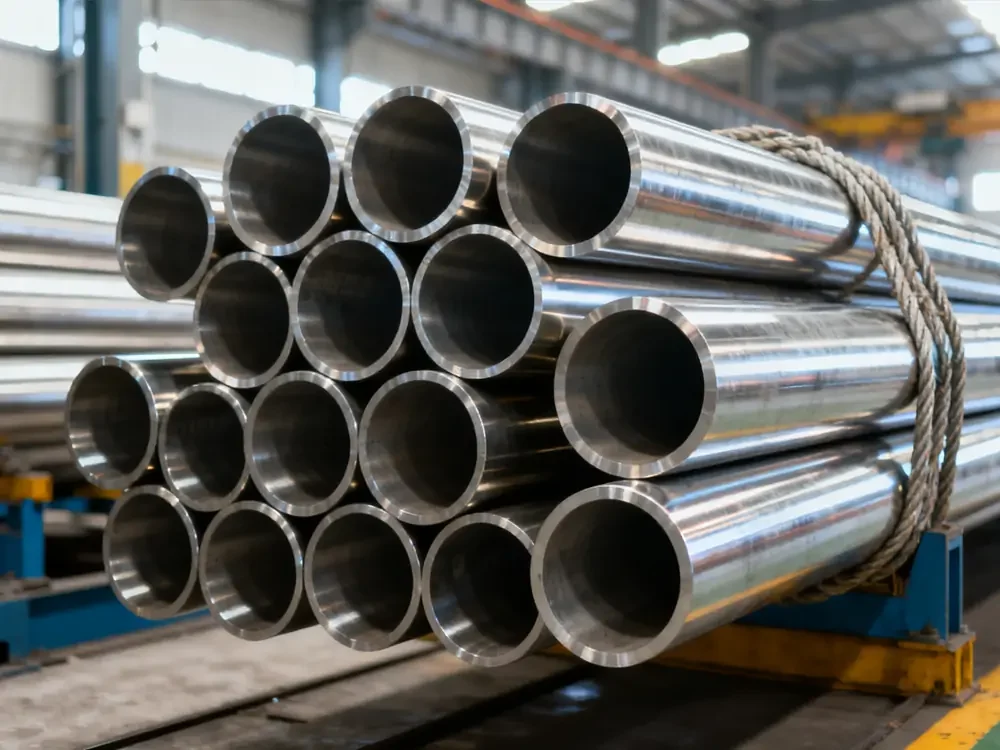
ASTM A213 stainless steel tubes are seamless tubes made from ferritic or austenitic stainless steel, suitable for high-temperature and high-pressure applications.
Gnee Steel produces these tubes using seamless or electric fusion welding (EFW) methods. They then undergo cold drawing and intermediate annealing to achieve a uniform microstructure and strength. Final shaping is followed by full annealing to improve the tube's ductility, making it easy to bend and flare during installation.
The industrial sector demands minimal wall thickness tolerances for ASTM A213 tubes. They are suitable for extremely challenging thermal environments, such as power generation, petrochemical, and refining systems. Common grades include 304, 304L, 316, 316L, 321, 347, and other heat-resistant stainless steels.
Engineers utilize the ASTM A269 standard in the manufacturing of stainless steel tubing (both seamless and welded). These tubes feature uniform wall thickness, providing greater flexibility for general-purpose use and applications ranging from low to high temperatures.
Industries using ASTM A269 tubing primarily focus on its corrosion resistance, oxidation resistance, and cleanliness. These characteristics make it suitable for applications in chemical processing, food and beverage production, and pharmaceuticals. To restore corrosion resistance after cold working, the tubing undergoes controlled heat treatment and is bright annealed or pickled depending on the required surface finish.
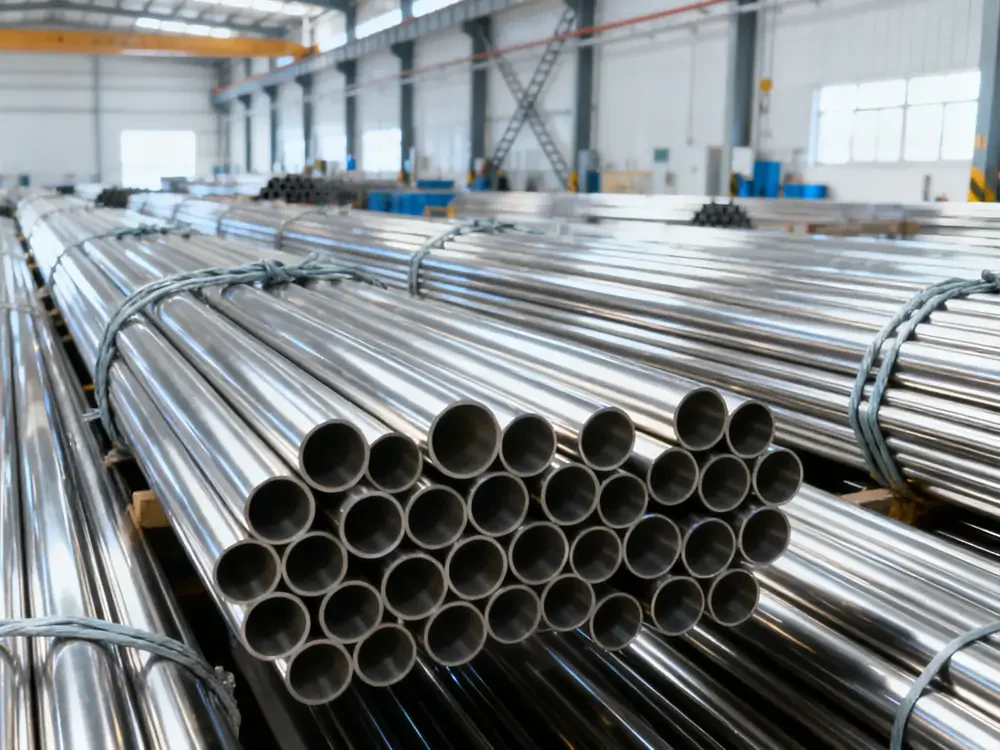
Differences between ASTM A213 and ASTM A269
| Features | ASTM A213 | ASTM A269 |
| Type | Seamless ferritic and austenitic alloy-steel tubes | Seamless, welded, and heavily cold-worked austenitic stainless steel tubes |
| Wall thickness | Minimum wall thickness | Average wall thickness |
| Grades | 304, 304L, 316, 316L, 321, 347, 310S, etc. | 304, 304L, 316, 316L, 321, 347, 310S, etc. |
| Manufacturing process | The EFW process is used for manufacturing seamless tubing | Seamless welded and heavily cold-worked |
| Tolerance | ±0.10 to ±0.38 mm depending on diameter | ±0.13 to ±0.76 mm depending on diameter |
| Surface | Dull | Shiny and bright |
| Application | These pipes can be used in industries that require high-temperature, high-pressure tolerance. | Mostly, the instrumentation, pharma, and food industries use these standardized pipes. |
ASTM A213 (Seamless Tubes)
Structure: Seamless tubes only.
Applications: Suitable for high-temperature and high-pressure conditions, such as boilers, superheaters, and heat exchangers.
Wall Thickness: Specified minimum wall thickness (e.g., +20%, -0%) to ensure structural integrity.
Surface: Typically has a dull finish due to the manufacturing process (electric resistance welding).
ASTM A269 (Seamless and Welded Tubes)
Structure: Available in both seamless and welded tube options.
Applications: Suitable for general corrosion resistance, low/high-temperature environments (instrumentation, pharmaceutical, and food industries).
Wall Thickness: Uses average wall thickness tolerance (e.g., +/- 10%).
Surface: Can have a bright (bright annealed) or dull finish, often electropolished for improved cleanliness.
Manufacturing Process
The manufacturing process for both standard pipe types includes some common steps, such as cold drawing and annealing. Manufacturers employ additional heat treatment and dimensional control measures to ensure the durability and stability of ASTM A213 pipes under prolonged heat exposure.
In contrast, ASTM A269 pipes are manufactured using heavily cold-worked welded tubing, which allows manufacturers to produce pipes with a smooth inner surface, an ideal characteristic for fluid transport.
Both types of pipes are capped after final annealing and cleaning. These measures are intended to prevent contamination during transportation.
Wall Thickness Tolerance
Manufacturers determine wall thickness tolerances based on the pipe's outer diameter. Relevant data indicates that the minimum wall thickness tolerance for ASTM A213 is ±20% to ±22% of the wall thickness. According to reliable industry sources, the wall thickness tolerance for ASTM A269 is -10% to -15%, depending on the pipe size.
How to choose:
For critical pressure-bearing components in boilers or heat exchangers, where failure would have serious consequences, use A213 standard materials.
For general piping, instrumentation, or when welded structures are acceptable in terms of cost/size, use A269 standard materials.

Gnee Steel specializes in the production of a wide range of stainless steel products. Gnee Steel's product packaging includes: Steel Strapping: Pipes with an outer diameter of 3 inches or less are typically strapped together with polypropylene film to prevent rust during ocean shipping, and then secured with steel strapping. Wooden Cases/Crates: Pipes are typically packaged in wooden cases or crates to protect the pipes during transportation, especially those that are longer or have larger diameters. Seaworthy Export Packaging: Suppliers typically use standard seaworthy export packaging methods, which may include a variety of materials and techniques to protect the pipes during transportation. Tarpaulin Packaging: This prevents rain, seawater, and other external factors from penetrating the export crates during transportation. Gnee Steel specializes in the production and sale of alloy materials. Gnee Steel's products are widely used in the aerospace, chemical, power, automotive, and nuclear energy sectors, and we can provide customized alloy material solutions based on customer needs. For alloy material pricing or customized alloy material solutions, please contact us for a quote: ru@gneesteelgroup.com