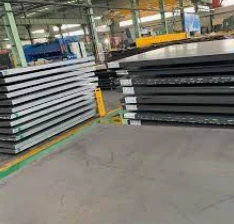
1. Control Storage & Handling Conditions Before Installation
Store the steel in a dry, well-ventilated area off the ground (use wooden pallets or steel supports) to avoid contact with standing water, mud, or moisture-trapping debris.
Keep the surface clean during handling-avoid leaving oil, grease, or dirt residues, as they can block uniform weathering and trigger localized rust.
Protect cut edges, welds, or drilled holes with a weathering steel-compatible primer (e.g., high-chromium or zinc-rich primers) to prevent rapid localized corrosion before the patina forms.
2. Optimize Installation for Uniform Weathering
Ensure proper drainage in the design to prevent water pooling on the steel surface (standing water causes uneven rust and patina failure).
Avoid direct contact with dissimilar metals (e.g., uncoated carbon steel, aluminum) without isolation-use plastic or rubber gaskets to prevent galvanic corrosion, which accelerates rusting.
Position the steel to allow consistent exposure to air and rain (avoid enclosed or poorly ventilated spaces) to facilitate uniform patina growth.
3. Minimize Exposure to Corrosive Environments
In coastal areas (high salt spray) or industrial zones (chemical pollutants), rinse the surface periodically with fresh water to remove salt deposits or chemical residues-this prevents aggressive rusting that disrupts patina formation.
Avoid contact with deicing salts, fertilizers, or acidic/alkaline substances, as they can break down the nascent patina and initiate pitting corrosion.
4. Post-Installation Maintenance (Minimal but Targeted)
Clean off loose dirt, bird droppings, or organic debris promptly with a soft brush and mild detergent (avoid abrasive cleaners or pressure washing above 1000 psi, which damages the surface).
If premature rust (flaky, red, or uneven) appears, gently remove loose rust with a stainless steel wire brush and allow the surface to re-weather naturally-do not paint or seal the steel, as this blocks patina development.